
Gold builds
The house that heats itself.
Gold is our take on the international passive house standard — homes so well-insulated and sealed they hold their temperature naturally. Warm all winter. Cool all summer. A power bill you’ll barely notice.
- 75–90%
- Less heating energy
- Year-round
- Comfortable temp
- ~0
- Drafts
Under the hood
What’s actually different?
Gold isn’t magic. It’s a set of specific upgrades — dialled up on insulation, sealing, glazing, and ventilation.
2–3×
the insulation
Thicker walls, ceilings, floors
Walls and ceilings get 2–3× the insulation of a code-compliant build. Cold stays outside longer. Warmth stays inside longer.
5–10×
tighter seal
Air-tight construction
Every joint, junction and penetration sealed carefully. Gold aims for around 0.6 air changes per hour vs 4–10 for a typical NZ home. No drafts.
≤0.80
W/m²K U-value
High-performance windows
Double or triple-glazed with insulated frames and warm-edge spacers. Each pane, gap and frame tuned to slow heat transfer.
HRV
Fresh air, no heat loss
Heat recovery ventilation
Gold homes are so sealed they need mechanical ventilation. Heat recovery brings fresh air in while recycling the warmth on its way out.
In your day-to-day
What does that mean for me?
Those upgrades add up to a home that feels fundamentally different to live in. Here’s what people notice first.
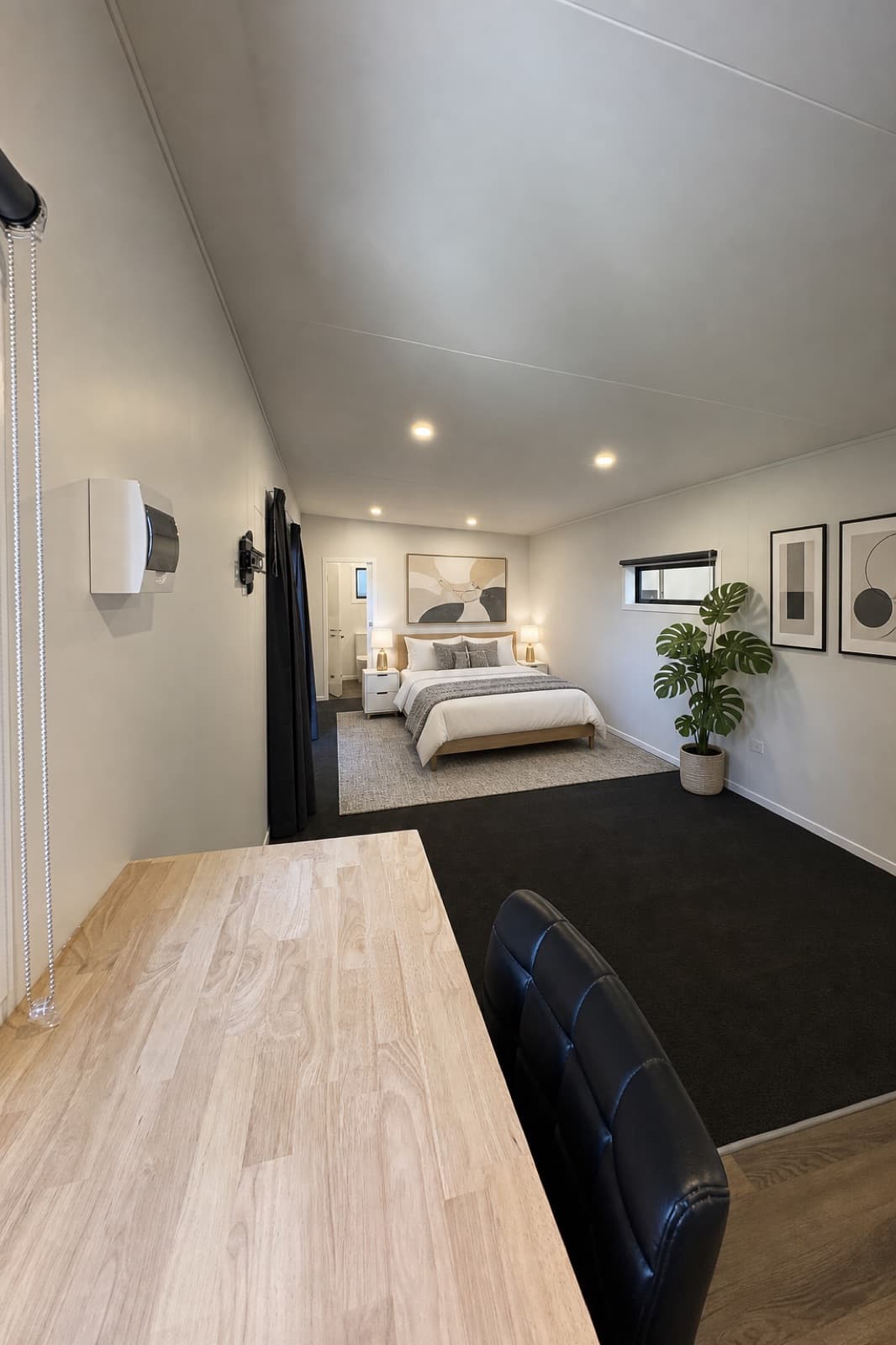
Warm in winter
Cold floors and shivering out of bed become a memory.
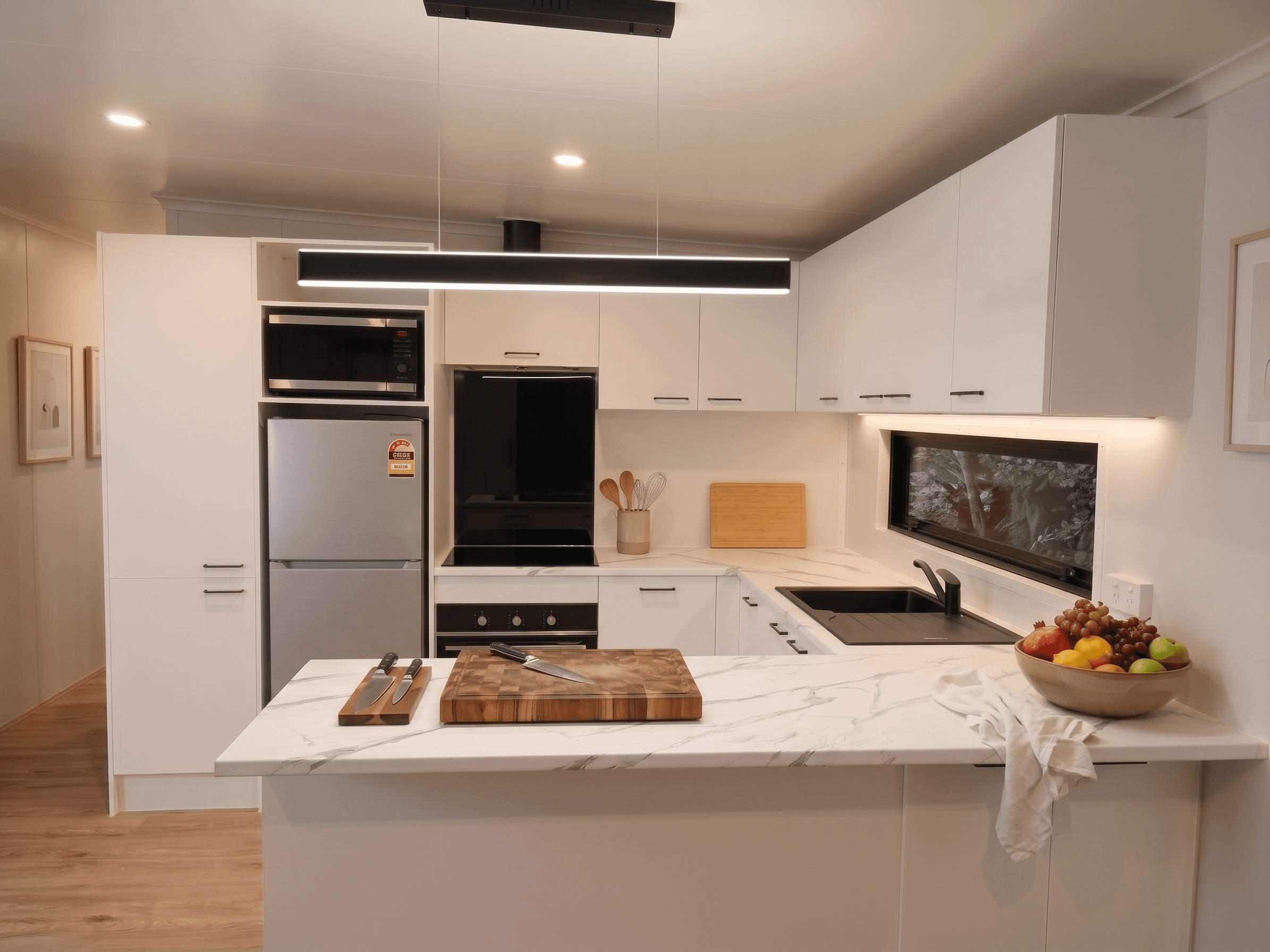
Cool in summer
The insulation works both ways. No aircon marathon.
Quiet as anything
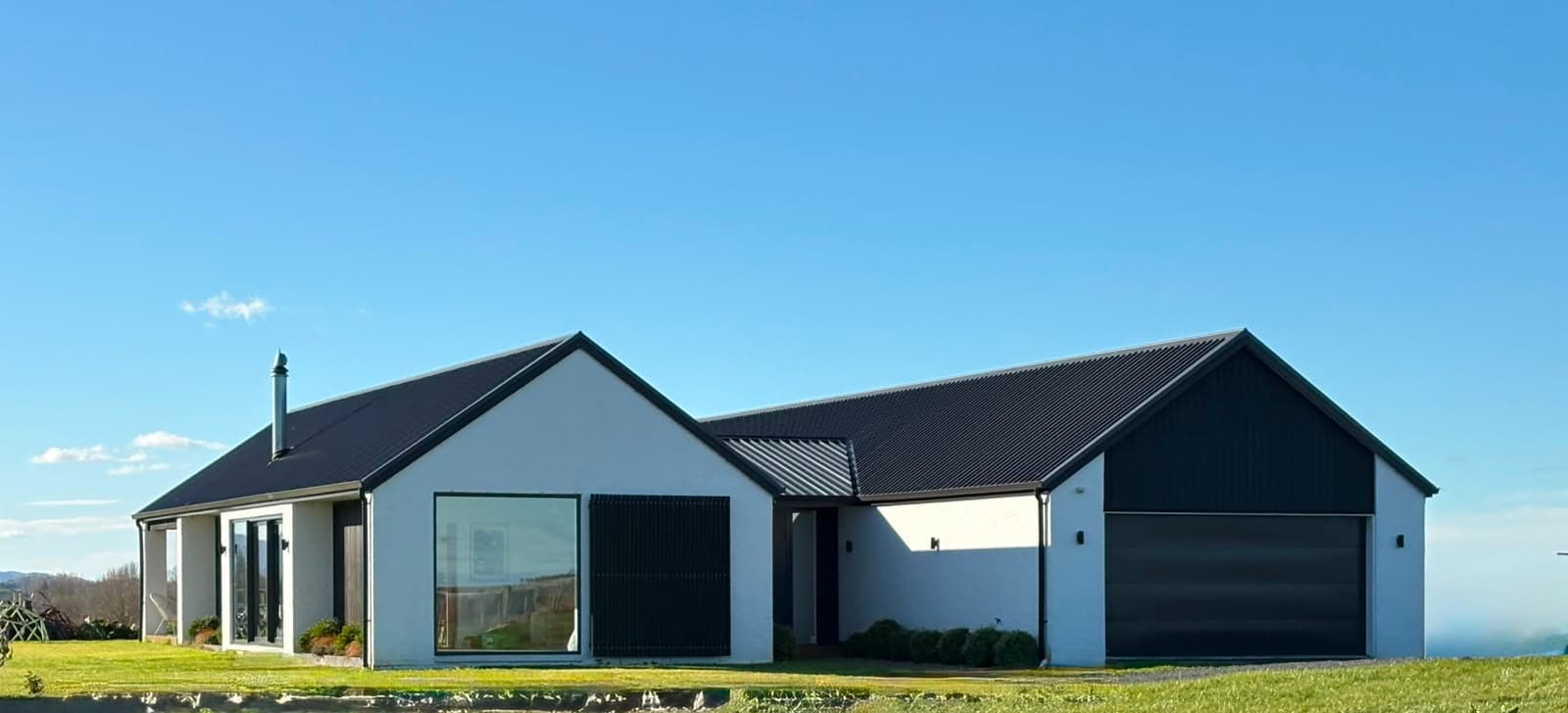
Thicker insulation blocks sound as well as heat.
Power bill barely there
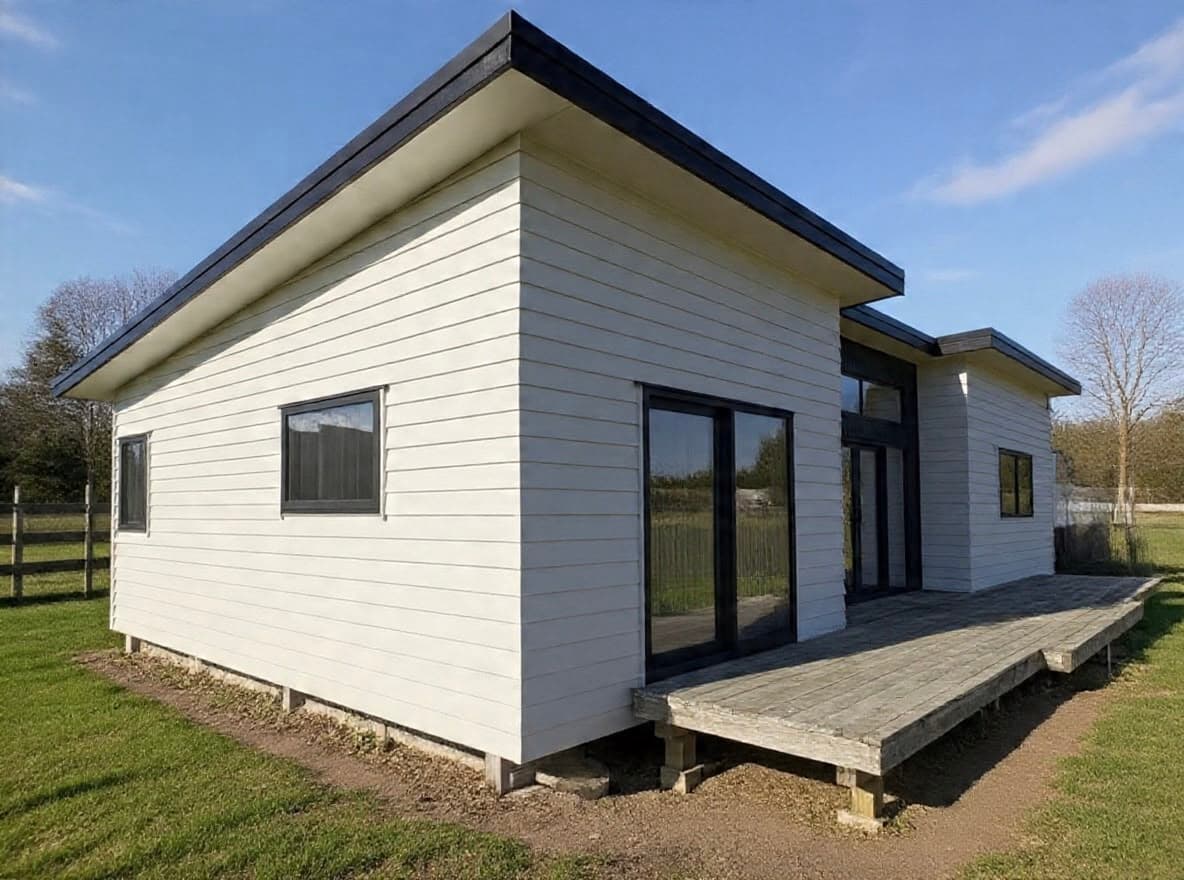
Heat pump barely runs. Rising prices are someone else's problem.
The payoff
75%
to 90% less heating energy
Published NZ research shows passive-standard homes cut heating energy by 75–90% versus a standard code-compliant build. That works out to around $1,000–$2,500 in annual power savings for a typical NZ home — depending on the climate and how the home is used.
Over 20 years
$20,000 – $50,000 back in your pocket.
In your pocket instead of your power company’s. Power prices only go up from here — Gold locks in low running costs from day one.
Upfront, Gold costs more to build. Over the lifetime of the home, the running-cost savings compound. If you’re planning to live in the home long-term, Gold is a no-brainer.
Where you can get it
Available on tiny homes and transportable homes.
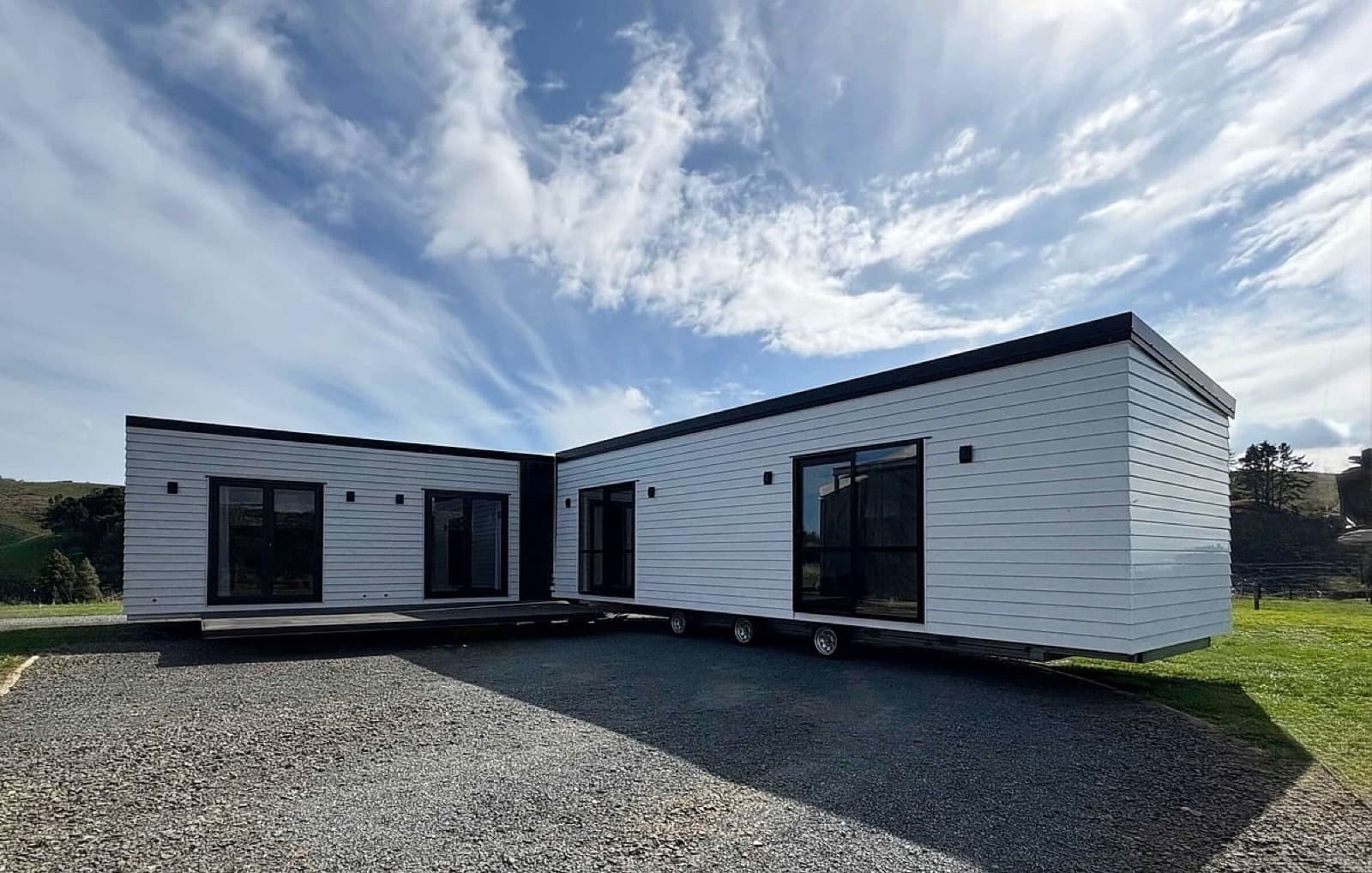
Gold is offered on our tiny homes and transportable homes, where the added insulation and sealing translate directly into running-cost savings. Cabins come in Bronze or Silver.
Range
Tiny homes
Self-contained builds from 6m to 14m. Studio to 3-bed. Gold available on 10m, 12m and 14m sizes.
See tiny homesRange
Transportable homes
Larger 2–4 bedroom family homes, delivered to your site. Gold available across the range.
See transportable homesNot sure yet?
Take the 2-minute quiz
Tell us how you’ll use the home and we’ll match you to Bronze, Silver or Gold on the right range.
Start the quizNot looking for Gold? Every home also comes in our standard Bronze build — insulated, warm and dry, priced accessibly — or our light gauge steel frame Silver build.