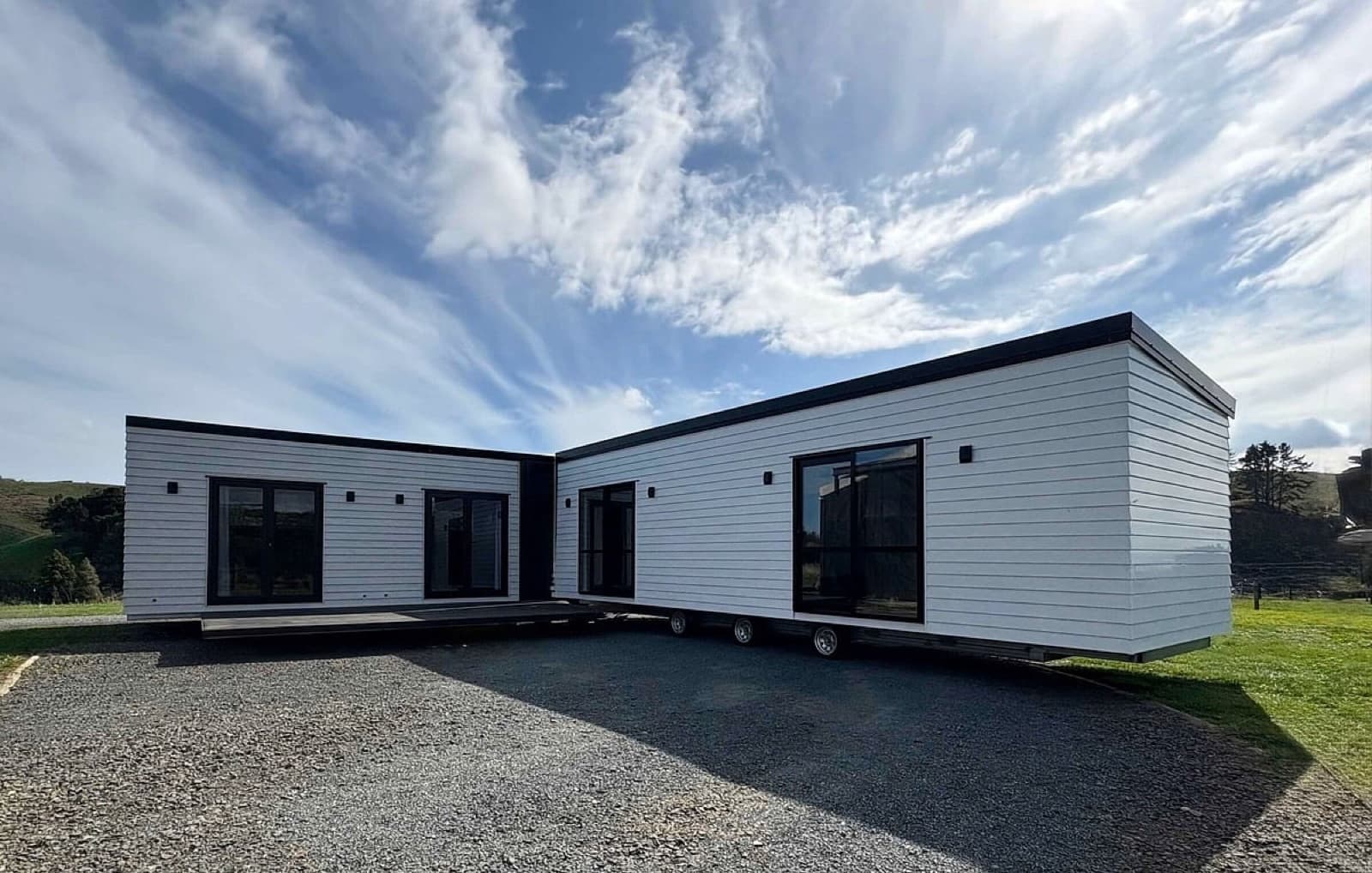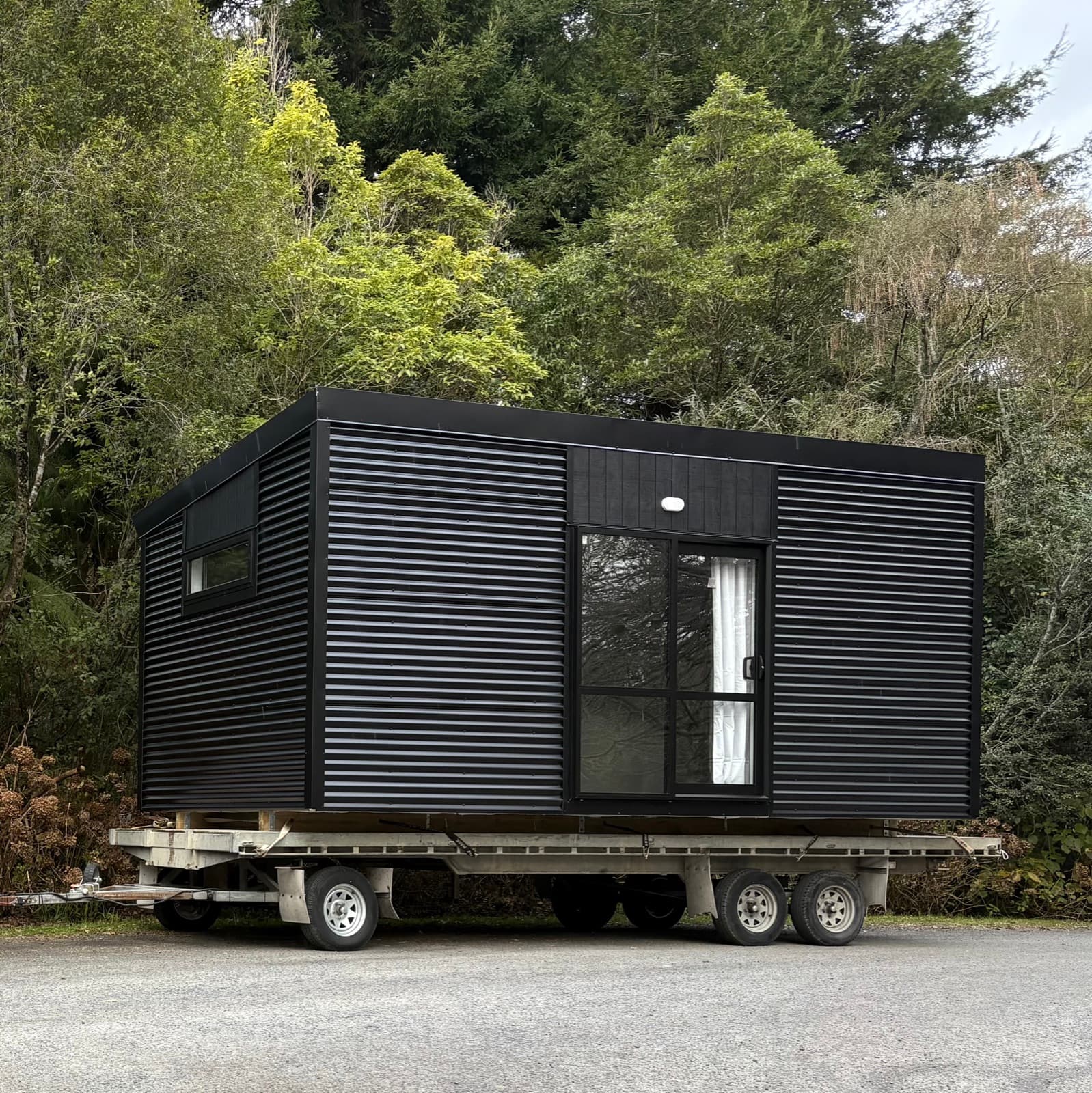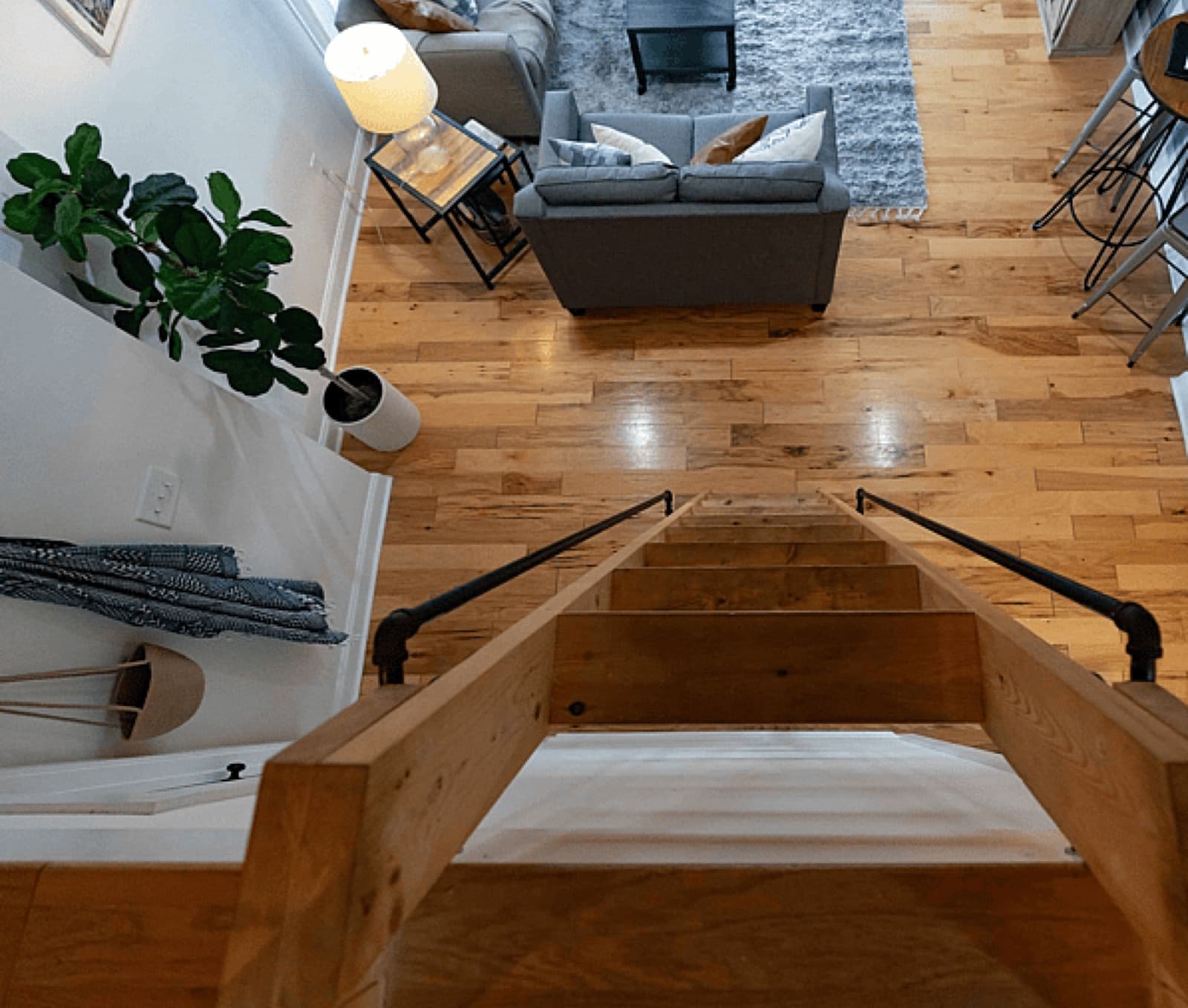
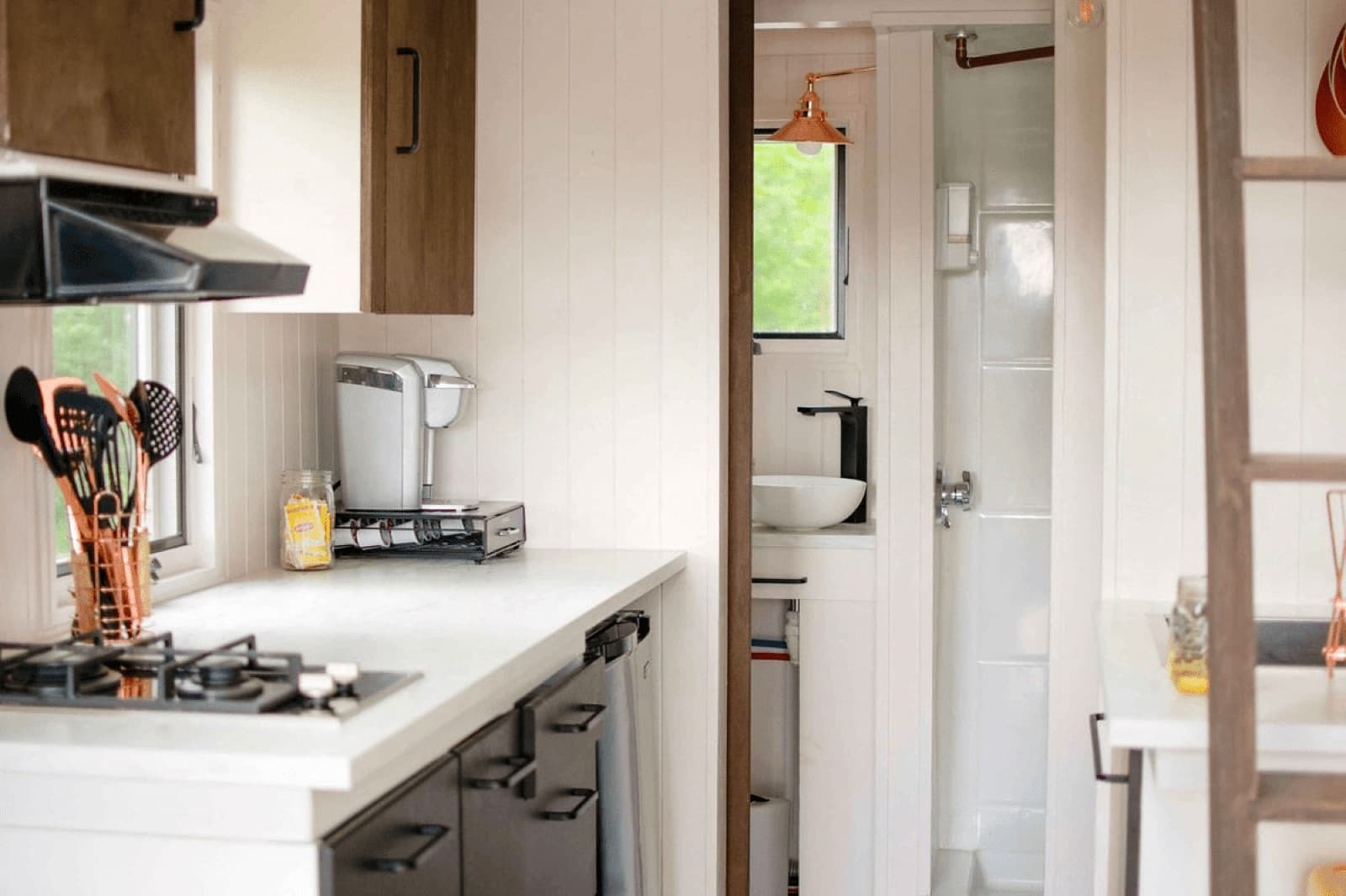
One of the biggest reasons New Zealanders choose a tiny home is that it is a genuinely achievable path to home ownership. But even at a fraction of the cost of a traditional build, most buyers still need some form of finance to make it work. The good news is that tiny home finance in NZ is more accessible than a lot of people assume.
This guide covers how tiny home finance works, the types of loans available, what deposit you typically need, and what to think about before you apply.
Why Tiny Homes Are Different to Finance
A traditional home is financed with a standard mortgage secured against land and buildings. A tiny home is different because in most cases it is not attached to the land - it can be transported. That changes the finance picture.
Some tiny homes qualify for a standard mortgage - particularly if they are on a permanent foundation on land you own, and treated as an improvement to the land. But most tiny homes are financed differently, through personal loans, chattel loans, or specialist tiny home finance products.
The Loan Types Available
The most common finance type for a tiny home in NZ is a personal loan or unsecured loan from a bank or non-bank lender. Loan amounts of $50,000 to $150,000 are common, with repayment terms of five to ten years and interest rates that vary based on your credit profile and the lender.
For larger tiny homes and transportable homes, some lenders offer secured chattel loans, where the tiny home itself is the security. These typically have lower interest rates than unsecured personal loans and can allow longer repayment terms, but require the tiny home to be identifiable and titleable as chattel.
If you already own the land the tiny home will sit on, you may be able to add the tiny home cost to your existing mortgage as a top-up, particularly if the tiny home is intended as a permanent addition to the property. This is often the most cost-effective finance approach if the numbers work.
Finally, some tiny home builders partner with specialist finance providers who understand the product and can offer purpose-built finance packages. Ask your builder what finance partners they work with.
What Deposit You Typically Need
Deposit requirements vary by lender and loan type. For an unsecured personal loan, some lenders do not require a specific deposit but will assess your affordability based on income and existing debt. In practice, having 10 to 20 percent of the tiny home cost as a deposit strengthens your application significantly.
For a chattel loan, deposit expectations are typically 10 to 30 percent, similar to a car loan for a similar amount. For a mortgage top-up, the deposit is effectively the equity you have in your existing property.
For a build, most tiny home companies will ask for a deposit at the point of order - typically 10 to 30 percent of the total build cost. This deposit secures your place in the build schedule and covers material orders. Progress payments during the build and a final balance on delivery are common, though structures vary between builders.
Typical Repayment Terms
Repayment terms for tiny home finance typically range from five to fifteen years. A $100,000 loan over ten years at market interest rates works out to roughly $1,100 to $1,300 per month, depending on the specific rate. Compared to rent in most parts of NZ, this is often comparable or lower - which is why tiny homes make so much sense for buyers who are currently renting.
Shorter terms mean higher monthly payments but less total interest paid. Longer terms lower the monthly payment but increase total interest. Model both scenarios before you commit - a five-year term at a manageable rate can save tens of thousands of dollars over the life of the loan compared to a fifteen-year term.
What Lenders Look At
Lenders assessing a tiny home finance application look at the same things they look at for any personal loan - income, existing debt, credit history, and affordability. Being able to show consistent income, a manageable debt-to-income ratio, and a clean credit history strengthens your application.
Some lenders will also want to see details of the tiny home purchase - the builder, the specification, the delivery timeline, and the intended location. This is not scrutiny of you personally - it is the lender confirming they are financing a real, deliverable product.
Practical Steps Before You Apply
Get your finances in order before you apply. Pay down credit card balances if you can. Make sure your recent payslips or income proof is current and easy to access. Check your credit report and clear up any errors or overdue accounts.
Get quotes from more than one lender. Interest rates and terms vary meaningfully between banks and non-bank lenders, and a small difference in rate can add up to significant money over the life of the loan. A mortgage broker can help compare options across the market if you find the process overwhelming.
Talk to the tiny home builder about their preferred finance partners. Some builders have relationships with lenders who understand the product and can move faster than a general-purpose personal loan application.
Common Finance Mistakes to Avoid
The biggest mistake buyers make is not budgeting for the full project cost. The tiny home price is only part of the total - you also need to budget for site prep, foundations, services connections, consent fees, and any deposit for the land if you are buying that too.
The second mistake is committing to a loan amount before pinning down the exact tiny home spec. Small changes to spec - upgrading to double glazing, adding a heat pump, choosing a bigger footprint - can push the price up. Get a firm quote from the builder before you apply for finance.
The third mistake is stretching the repayments to the maximum affordable amount without leaving room for the other costs of living in a tiny home - power, water, insurance, and ongoing maintenance. Aim for repayments that leave you with meaningful buffer each month.
SHS Finance Options
Smart Housing Solutions works with finance partners who understand tiny home and transportable home purchases in New Zealand. Whether you are buying a compact studio or a larger transportable family home, the team can point you toward the right finance approach for your situation.
For a conversation about tiny home finance and what would work for you, get in touch with the team at Smart Housing Solutions on 021 771 141 or sales@smarthousingsolutions.co.nz.