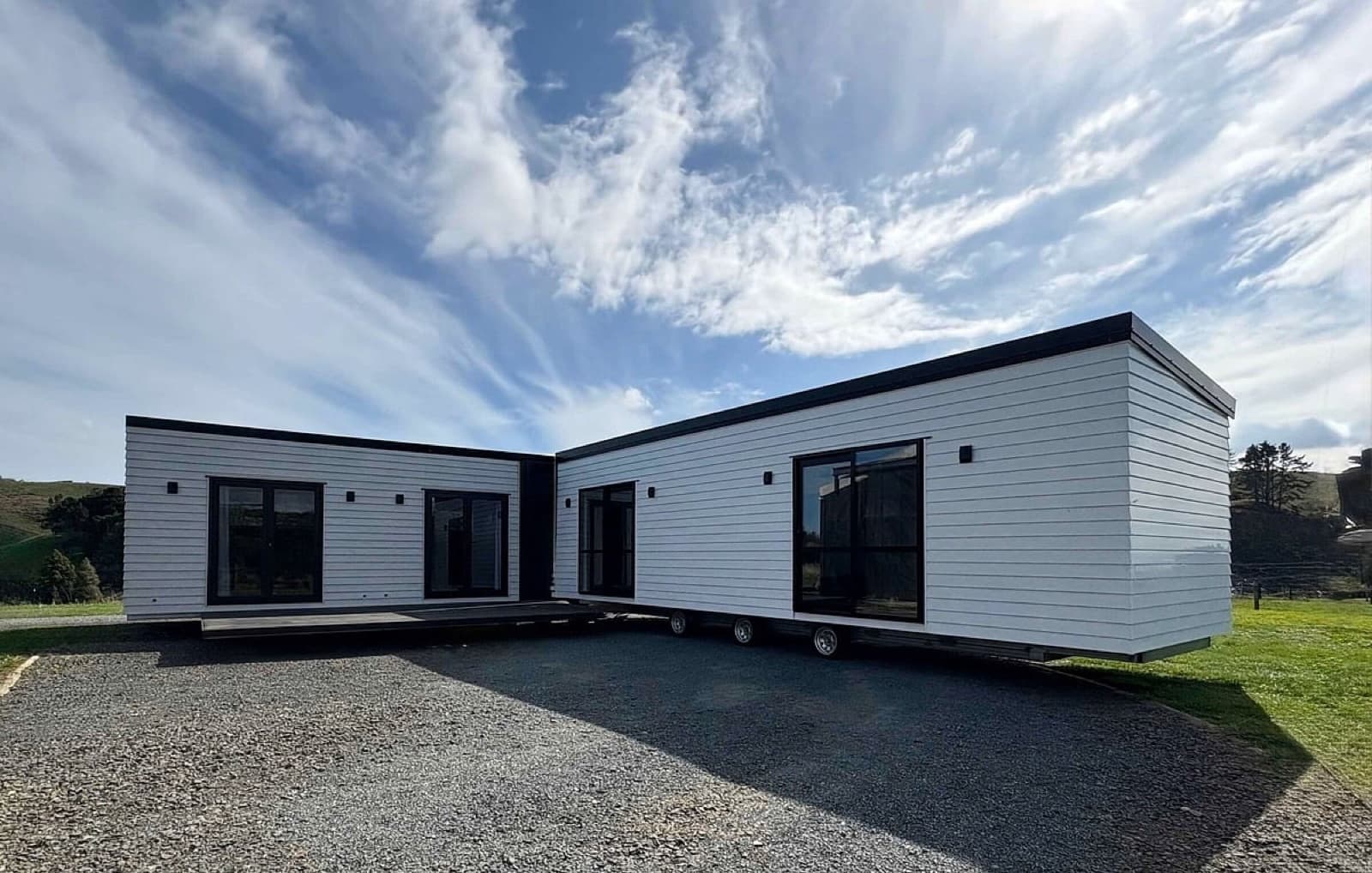
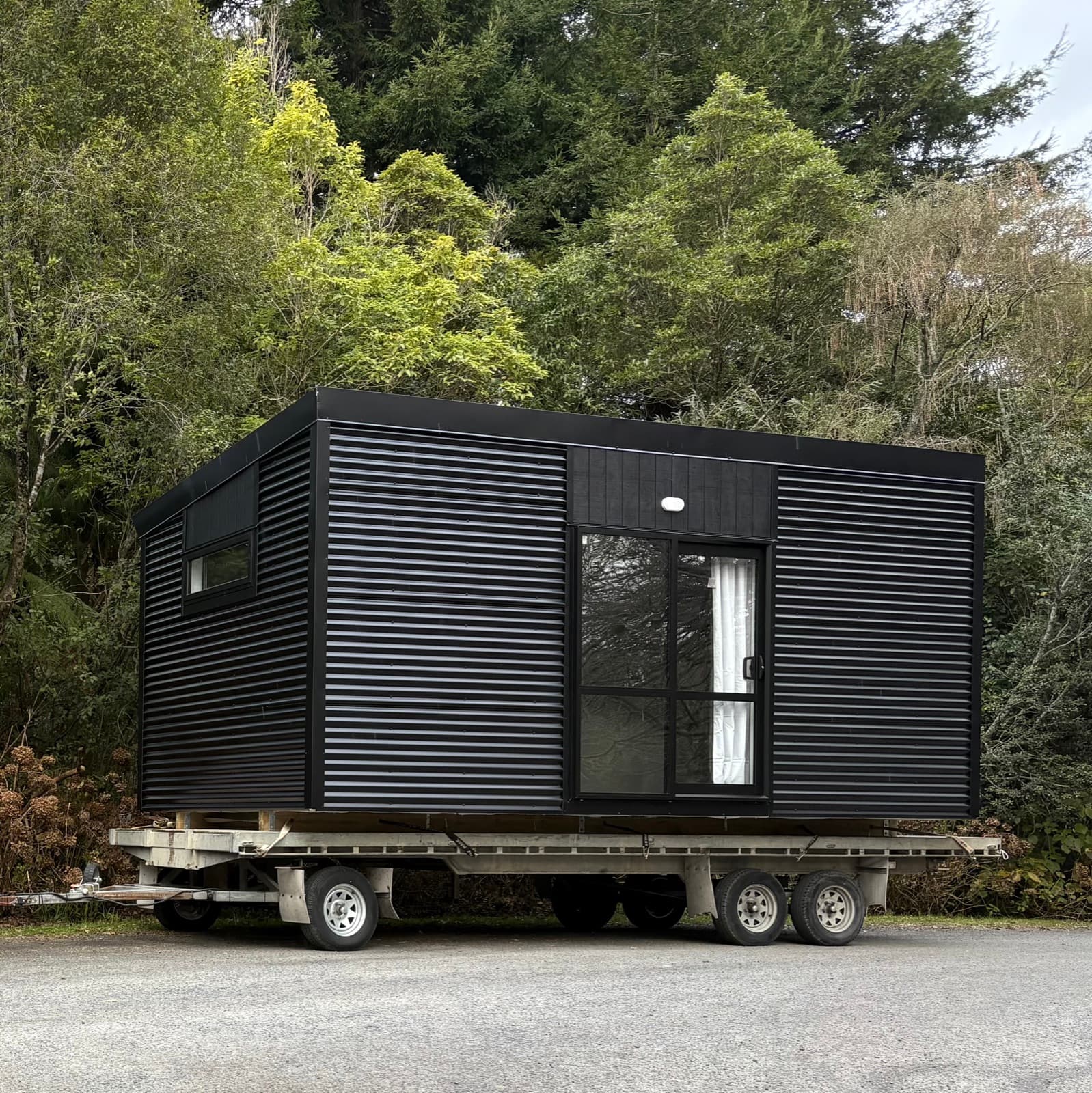
A backyard sleepout is one of the most flexible additions you can make to a New Zealand property. Whether you need an extra bedroom for a growing family, a home office, a teenage retreat, a guest room, or a spare space for aging parents, a well-built sleepout gives you the room you need without the cost or hassle of extending your main house.
This guide covers what a sleepout is, the consent rules you need to know about, the sizes available, and what you should expect to pay in NZ in 2026.
What Counts as a Sleepout
A sleepout is a small separate building on your property, typically used as a bedroom or multi-purpose room. It is not a self-contained dwelling - it does not have a kitchen and usually does not have a bathroom. That distinction matters because it changes the consent rules that apply, and it keeps the build simpler and more affordable than a full tiny home.
A cabin used as a sleepout can range from a compact 4.5m x 3m single-room unit up to a 7m x 4m twin cabin with a separate small bathroom. Larger footprints start to move into tiny-home territory, which comes with different regulations.
Consent Rules for Sleepouts in NZ
The consent rules for small buildings in New Zealand are covered by the Building Act and Schedule 1 exemptions. In broad terms, a single-storey detached building of no more than 10 square metres in floor area can be built without a building consent, provided it meets specific conditions around use, distance from boundaries and other buildings, and services. It cannot contain sleeping accommodation if used for sleeping requires plumbing or cooking, and it must be built by or under the supervision of a licensed building practitioner if it exceeds certain thresholds.
In practice, this means very small sleepouts under 10 square metres can usually be placed without a full consent, but larger sleepouts almost always need one. The rules are more nuanced than a single sentence can capture, and interpretations vary by council, so always check with your local council before you buy or install a sleepout.
Recent changes in New Zealand are moving toward easing the rules for small secondary dwellings on residential sites, but as of 2026 the safe assumption is that anything used regularly for sleeping, and anything bigger than 10 square metres, needs consent.
Popular Sleepout Sizes
The most common sleepout size in New Zealand is around 4.5m x 3m to 6m x 3m. A 4.5m x 3m unit is 13.5 square metres and fits comfortably a single bed, some storage, and a small desk. A 6m x 3m gives you 18 square metres, which is enough for a queen bed and a proper sitting area or study nook.
Twin cabins - 7m x 3m or 7m x 4m - are the next step up. These typically have a small internal wall to create two rooms, or a single larger room with the option to add a compact bathroom. They work well as guest accommodation, teen retreats where the young person wants privacy, or a home office plus meeting room combination.
Larger cabins in the 8m x 3m range start to feel more like a self-contained space and are popular for extended-stay guests, work-from-home professionals, or lifestyle-block families housing farm workers.
What Sleepouts Cost in NZ in 2026
Sleepout pricing depends on size, spec, and insulation level. Here is what quality NZ-made sleepouts cost in 2026.
A 4.5m x 3m studio cabin starts from around $24,900. A 6m x 3m studio cabin comes in around $30,900. A 7m x 3m twin cabin is roughly $37,900, and a 7m x 4m twin is around $50,900. An 8m x 3m twin cabin with bathroom sits around $61,900.
These are for insulated builds with Coloursteel EPS panels, delivered ready to place on your site. Cheaper sleepouts exist, but they typically use lighter framing, thinner insulation, and lower-spec materials, which affects comfort, longevity, and resale value.
Common Sleepout Uses
The biggest use for a sleepout in NZ is as an extra bedroom for a family that has outgrown the main house. This works particularly well for teenagers who want their own space, or for adult children who have moved home while saving for a house of their own.
Sleepouts also work well as home offices, especially now that so many New Zealanders work remotely at least part of the week. Having a dedicated work space physically separate from the house makes it much easier to switch off at the end of the day.
Other popular uses include guest accommodation for family visits, hobby rooms or art studios, farm worker housing on lifestyle blocks, and short-term Airbnb rentals where local council rules allow.
What to Look For When Buying a Sleepout
Focus on the same things that matter for any small building - insulation spec, construction method, and what is included in the base price. A sleepout you plan to use year-round needs proper insulation and preferably double-glazed windows. Anything less and you will be adding a heat pump you did not budget for.
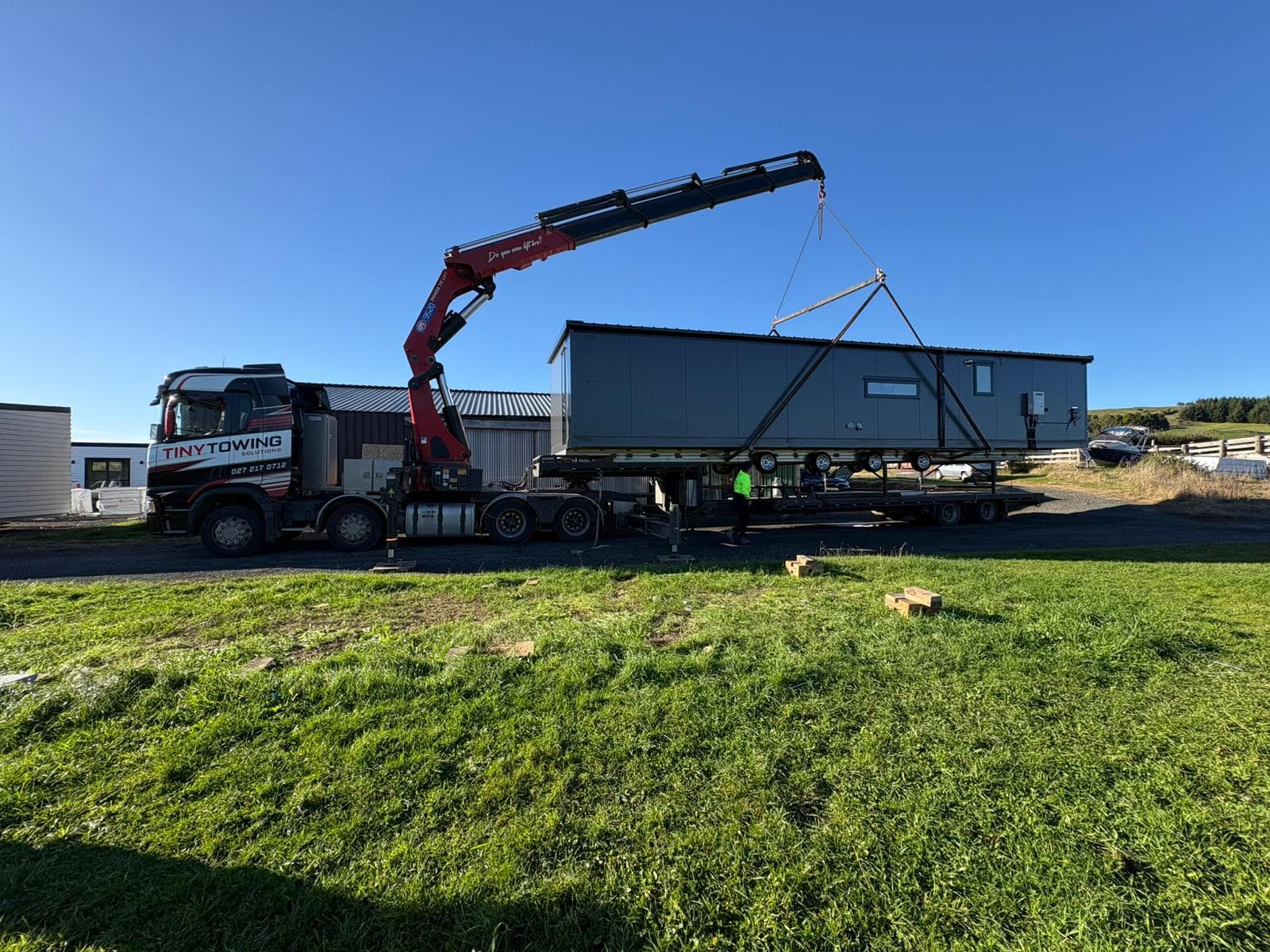
Ask whether delivery is included. A quality NZ builder will deliver within a defined area for free or a modest fee. Ask what site prep you need to do - typically a level pad on piles, concrete blocks, or a slab.
Finally, ask about the warranty and the build quality. A sleepout is a long-term investment, and cheap materials will cost you more in maintenance and replacement over the life of the building than the upfront saving is worth.
The best sleepouts in NZ are built the same way the best tiny homes are built - in a workshop, to code, with quality materials, ready to place on your site. If you want to talk through what would suit your situation, get in touch with the team at Smart Housing Solutions on 021 771 141.