For many New Zealanders, the choice between a tiny home and a traditional build comes down to more than just cost. It is about how long you are willing to wait, how much space you actually need, and what kind of financial commitment you are prepared to take on. The gap between the two options is wider than most buyers realise, and understanding the trade-offs helps you make a decision you will not regret.
This guide breaks down the real differences between a tiny home and a traditional site-built house in NZ - the cost, the timeline, the quality, and the situations where one clearly beats the other.
The Cost Difference
A traditional three-bedroom home in New Zealand typically costs between $400,000 and $600,000 to build, before you factor in the land, consent fees, professional services, and site works. In many parts of the North Island, the finished cost pushes past $700,000 once everything is added up.
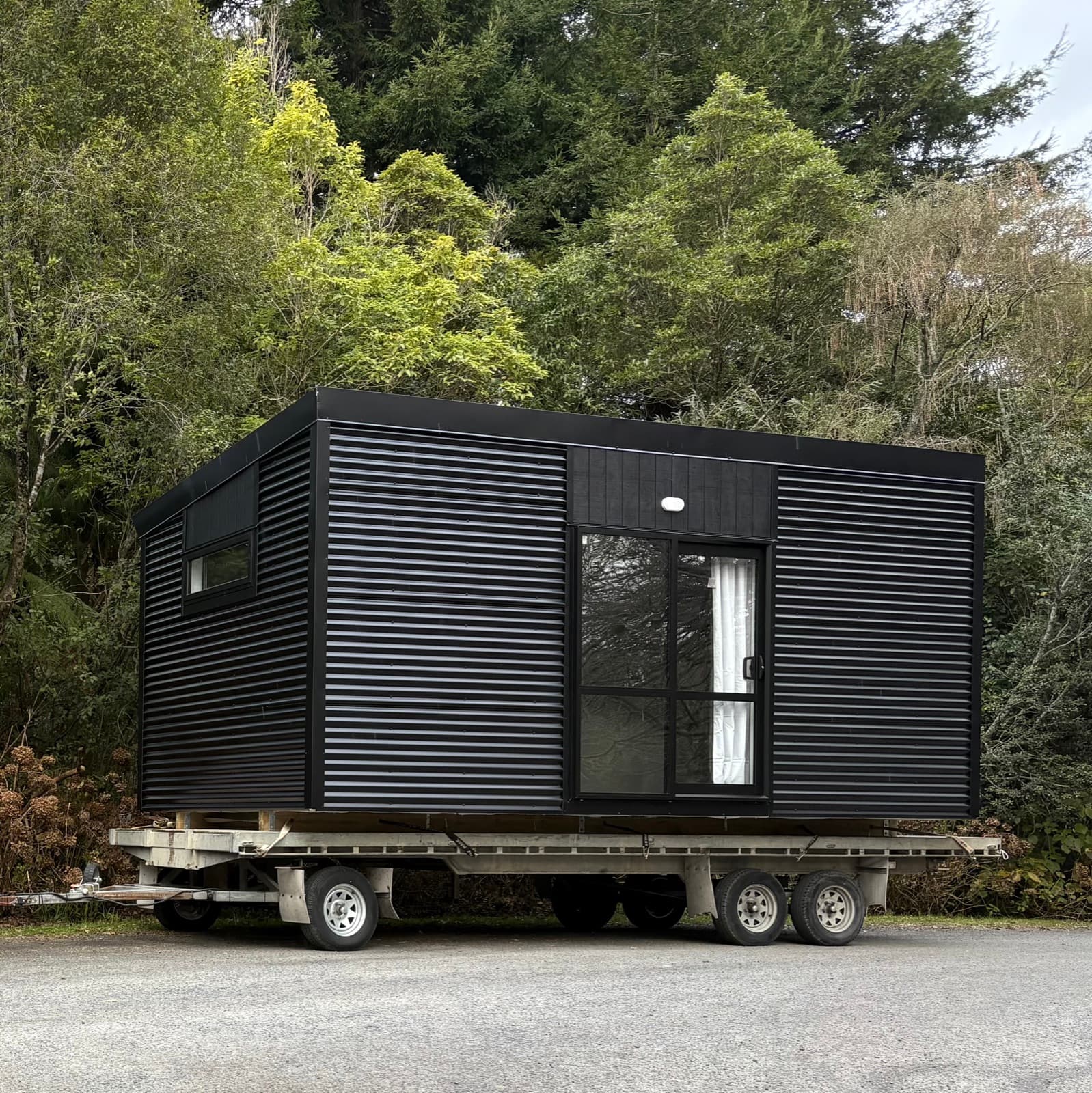
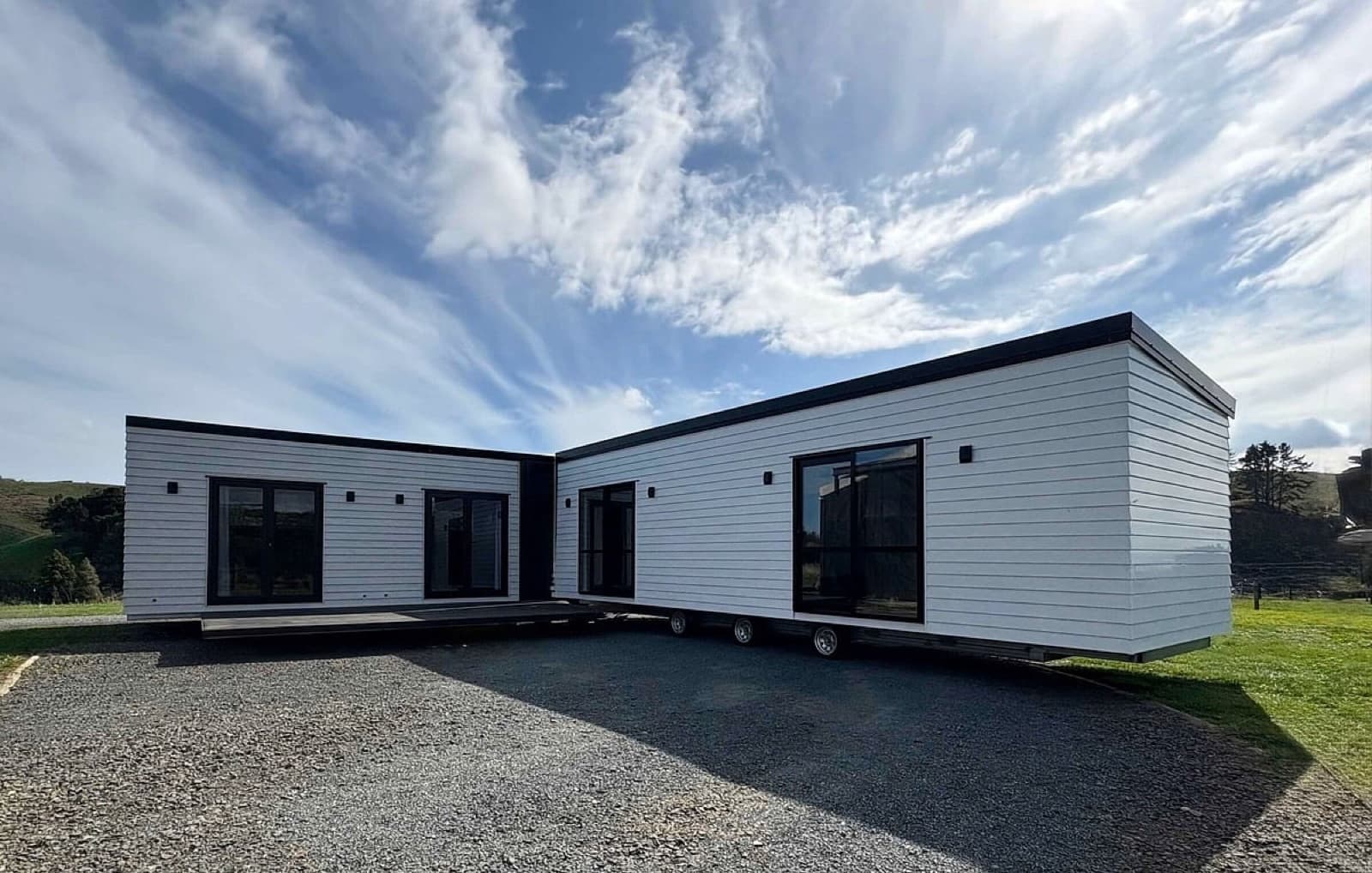
A tiny home covers a much wider price range depending on size and spec. A compact studio starts from around $65,000. A one-bedroom home in the 8m to 10m range typically costs $82,000 to $135,000. A two-bedroom tiny home sits between $140,000 and $230,000. Larger transportable homes with three or four bedrooms - genuinely comparable in size to a small traditional house - are priced from around $200,000 depending on size and spec.
The headline saving is significant. But the deeper saving is in the things a fixed-price tiny home avoids: variations, wet-weather delays, subtrade coordination, and the compounding of small overruns that push traditional builds over budget.
The Timeline Difference
A traditional build in NZ takes 12 to 18 months from consent to keys in most cases. Complex builds, or builds affected by weather or supply issues, can push out to two years. During that time you are paying rent or mortgage on your current place, plus interest on your build loan.
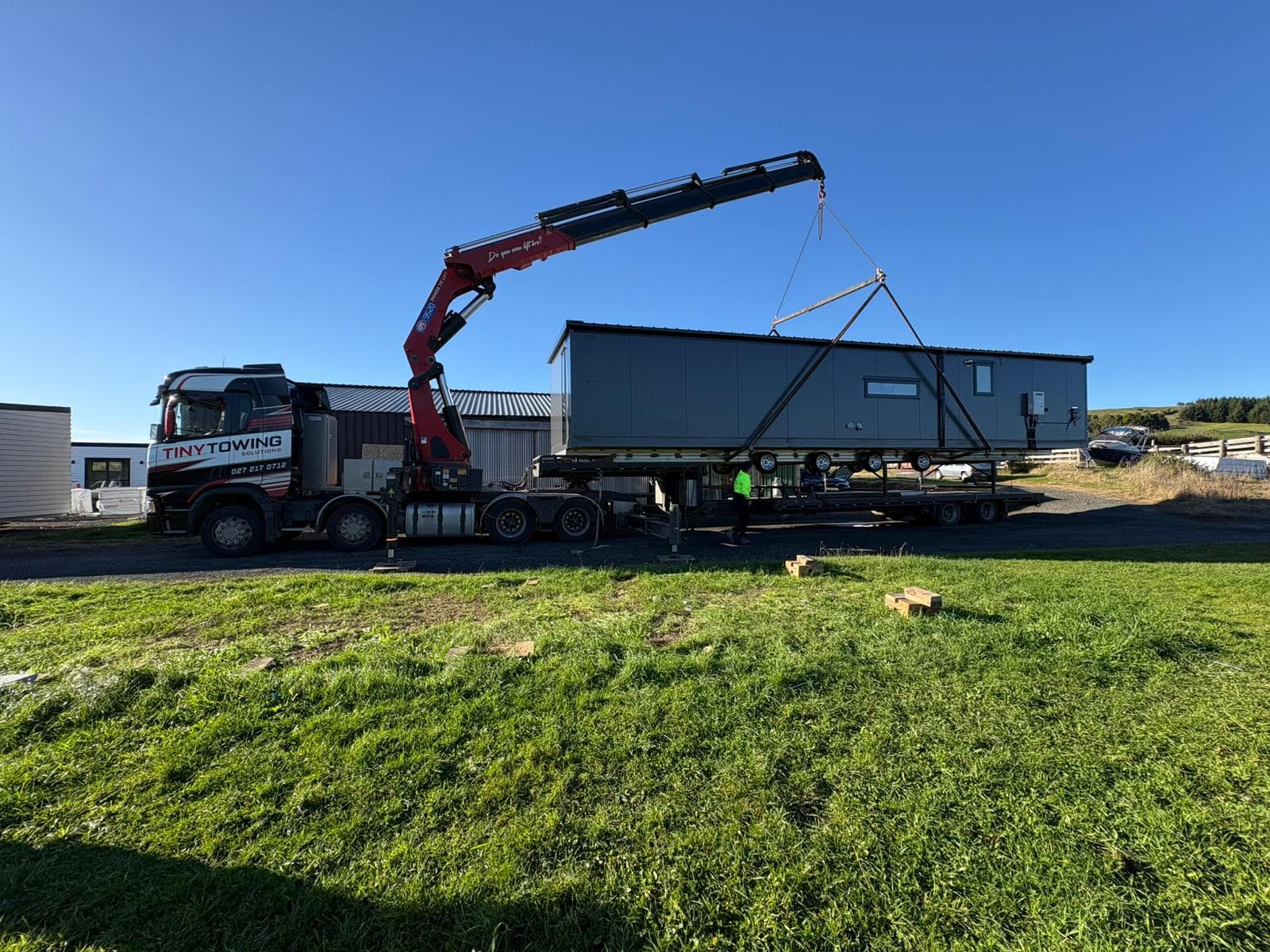
A tiny home is built in a workshop while your site is being prepared. Most builds take 8 to 14 weeks from order to delivery, with a further one to two weeks for connections once the home lands on your site. For a large transportable home, the total timeline is typically three to four months rather than a year or more.
This is not a small difference. It changes when you can move in, how much rent you pay while waiting, and how quickly you can start living in the home you are paying for.
What Quality Looks Like in Each
The common assumption is that traditional builds are higher quality than tiny homes or transportable homes. That is not always true. A well-built tiny home from a quality NZ manufacturer meets the same NZ Building Code standards as a traditional home. It has to - transportable dwellings are subject to the same code requirements for insulation, electrical, plumbing, and structure.
Where the two differ is in construction method. Traditional builds are assembled on site by rotating subtrades over months, with weather, site conditions, and coordination all affecting quality. A workshop-built tiny home is assembled indoors on a controlled schedule, with the same team building every home to the same spec. There is no wet-weather framing, no rain-soaked insulation, and no rushed finishing on a deadline.
The materials in a modern tiny home are typically the same or better than a mid-range traditional build. Insulated steel panel systems like Coloursteel EPS panels deliver better thermal performance than standard timber framing, without the moisture and pest issues that catch out older builds.
The Space Trade-Off
This is where tiny homes lose. A 10m x 4m tiny home is 40 square metres. A three-bedroom transportable home at 14m x 5m is 70 square metres. A four-bedroom 16m x 7m transportable pushes past 110 square metres. These are all significantly smaller than a typical new-build family home at 180 to 220 square metres.
If you need genuine family-home proportions with separate living areas, multiple bathrooms, and a big garage, a traditional build wins on space. If you can live comfortably in a smaller, well-designed home - or you want a second dwelling, a family home for a couple, or a rental unit - a tiny or transportable home covers your needs at a fraction of the cost.
Consent and Compliance
Both traditional builds and transportable homes need building consent in most cases when used as a permanent dwelling. The exemptions for very small sleepouts under 10 square metres do not apply to homes with kitchens and bathrooms.
The consent process for a transportable home is often simpler than a traditional build. The home itself is factory-built to code and comes with the paperwork already prepared. Your local council still needs to approve the site, foundations, and services, but the structure itself is a known quantity. Good tiny home builders help you navigate the consent process rather than leaving it to you.
Which Option Fits You
A traditional build makes sense if you have the time, the budget, and the site to justify it. You get a full-size family home designed exactly to your specifications, on a permanent foundation, with the resale profile of a conventional house.
A tiny home or transportable home makes sense if you want to move in quickly, keep your build cost predictable, or need a second dwelling for family, rental income, or lifestyle-block living. It also makes sense if you are buying your first home and cannot see a path to a traditional build price point - a proper multi-bedroom transportable home for under $250,000 is a real path to home ownership that a traditional build cannot match.
The choice is not really tiny home versus traditional build. It is which option gets you into a home you can afford, in the timeframe you need, in the space that fits your life. For a growing number of New Zealanders, that answer is a well-built tiny home or transportable home from a quality NZ manufacturer.
If you want to talk through what would suit your situation, get in touch with the team at Smart Housing Solutions on 021 771 141 or sales@smarthousingsolutions.co.nz.