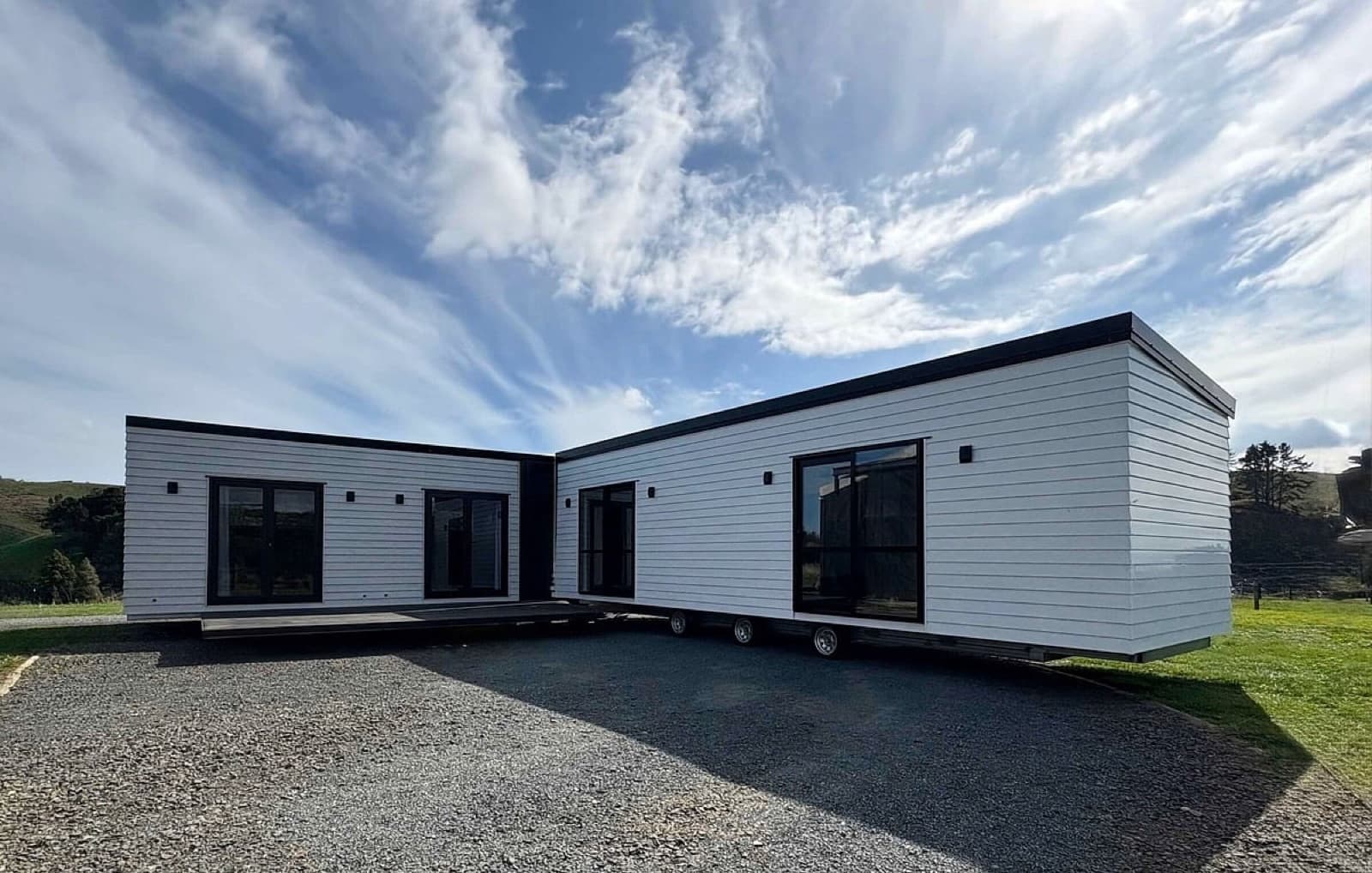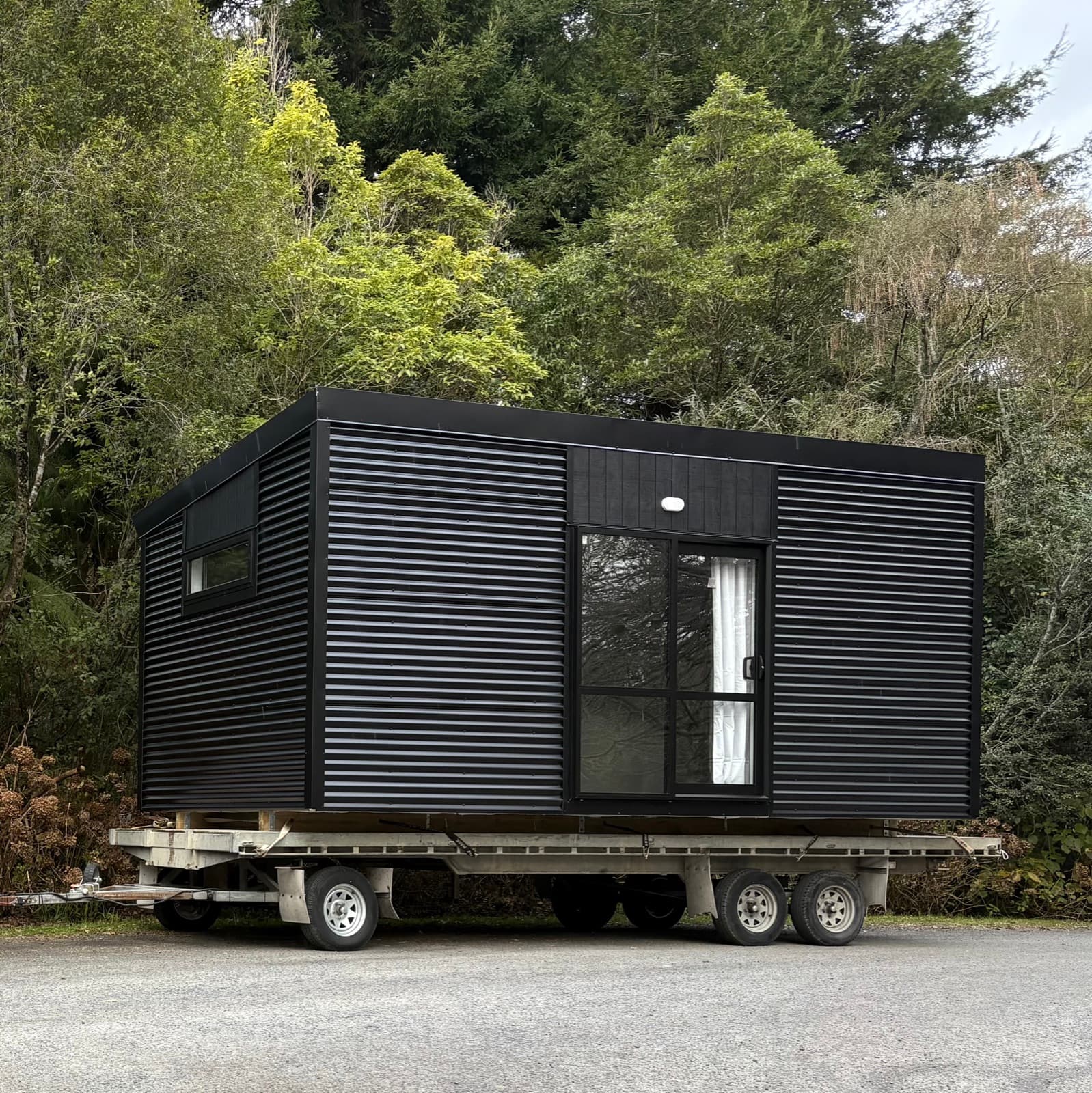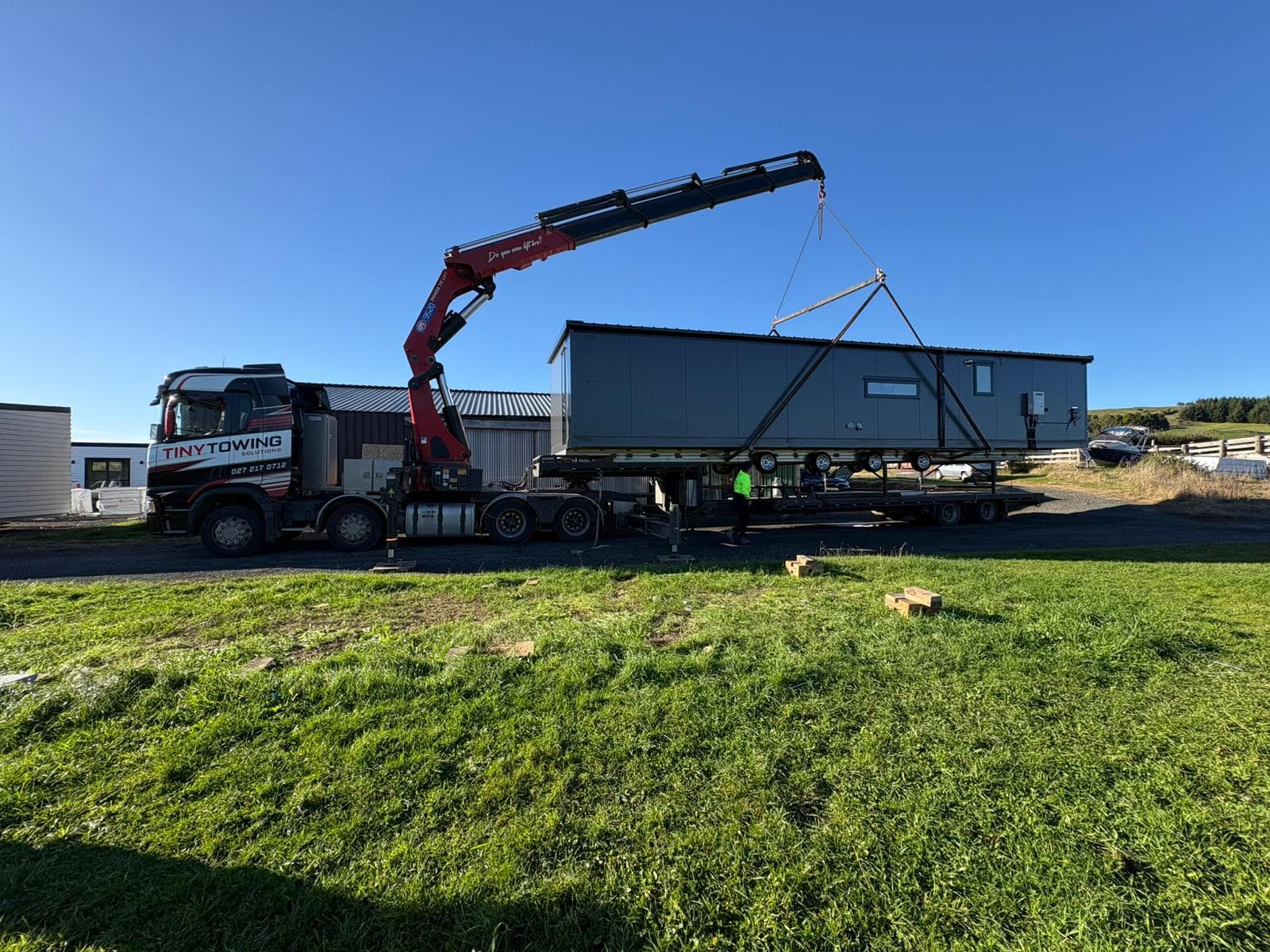
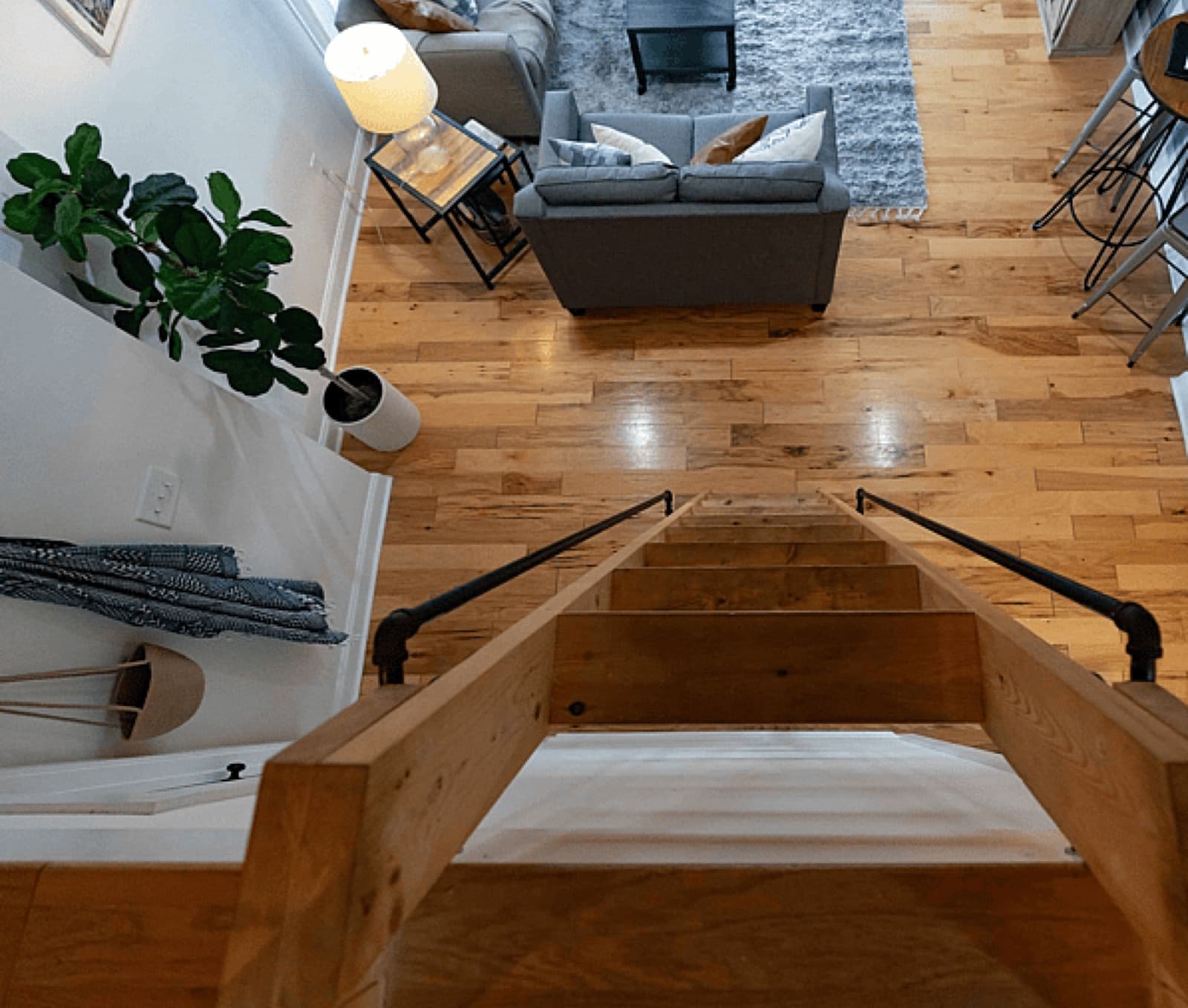
Every Smart Housing Solutions home comes in one of three build styles - Bronze, Silver and Gold - and at one of two levels, Entry or Premium. The build style is how the home is constructed and insulated. The level is how it is fitted out. This guide explains what changes between the three styles, what each is best suited to, and how to decide which one is the right investment for you.
(Our Bronze build was previously called Economy, and Gold was previously called Passive.)
What All Three Have in Common
Every build is made to order in our Raglan workshop, to the NZ Building Code, by the same team and to the same quality standard. Double-glazed joinery is standard on every style. Every build leaves the workshop with full electrical, plumbing and gas certification, and the same Entry and Premium fit-out options are available whichever style you choose. All the products and materials we use are NZ, Australasian or European made.
The choice between Bronze, Silver and Gold is not a choice between a good build and a bad one. Each is a complete, quality home - the difference is in the construction, the insulation and how the home performs over the long term.
Bronze: Our Insulated Panel Build
Bronze is built with insulated COLORSTEEL® EPS panels - 100mm walls and a 150mm roof - where the structure and insulation come together in a single panel. It is fast to build, warm and dry, and it is the most accessible price in our range. Bronze is available on every size: tiny homes, transportable homes and cabins.
Silver: Light Gauge Steel Frame Homes
Silver homes are framed entirely in light gauge steel - base, walls and roof - then insulated and lined inside with 10mm Triboard for the feel of a traditional home. The exterior uses a cavity batten system with your choice of COLORSTEEL®, Shadowclad®, timber panels or a mix. Steel won't warp, crack, rot or attract pests, it is non-combustible and it is 100% recyclable. Silver suits buyers who want long-term durability, a residential-quality finish and more freedom to customise, without the Gold price. Silver is also available on every size, including cabins.
Gold: Our Passive-Style Build
Gold is our passive-style build, using thermally efficient OSB panels with enhanced insulation (up to a 225mm roof), tighter sealing and high-performance glazing. Because it is so air-tight, Gold includes an HRV system for fresh air. Like Silver, the exterior uses a cavity batten system with your choice of COLORSTEEL®, Shadowclad®, timber panels or a mix. The result is a home that holds its temperature naturally - warmer in winter, cooler in summer, quieter, and dramatically cheaper to heat.
Entry or Premium
Whichever style you choose, you then pick a level. Entry gives you quality basics as standard - a kitchenette, a 900 × 900 shower, vinyl plank flooring and full electrical, plumbing and gas certification - so you only pay for what you need and add on from there. Premium is the full turn-key finish: a full kitchen with oven and cooktop, a 1200 × 900 shower, colour choices and a feature wall, wardrobes, blinds, full lighting and the factory Code Compliance Certificate (CCC).
The Cost Difference
Silver typically costs around 5 to 20 percent more than Bronze for the same footprint, and Gold around 10 to 20 percent more than Bronze. Every home page on our website shows the Entry and Premium price for each style side by side, so you can compare like-for-like on the exact size you are interested in.
Which Sizes Come in Which Styles
Bronze and Silver are available on every tiny home, transportable home and cabin. Gold is offered on every 10m, 12m and 14m tiny home and on every transportable home. Cabins come in Bronze or Silver.
How to Decide
Bronze is the right choice if you want the most affordable path into a well-built, warm home. Silver is the right choice if long-term durability and a traditional, residential feel matter most, or you want more scope to customise. Gold is the right choice if the home is your long-term primary residence, especially in a cooler region or on an exposed site, and you value low running costs and year-round comfort.
If you are going custom, ask us about a full-scale virtual tour of your floor plan, so you can walk through the layout before you lock in the design.
The Smart Housing Solutions team is happy to walk you through the trade-offs for your situation. Get in touch on 021 771 141 or sales@smarthousingsolutions.co.nz.