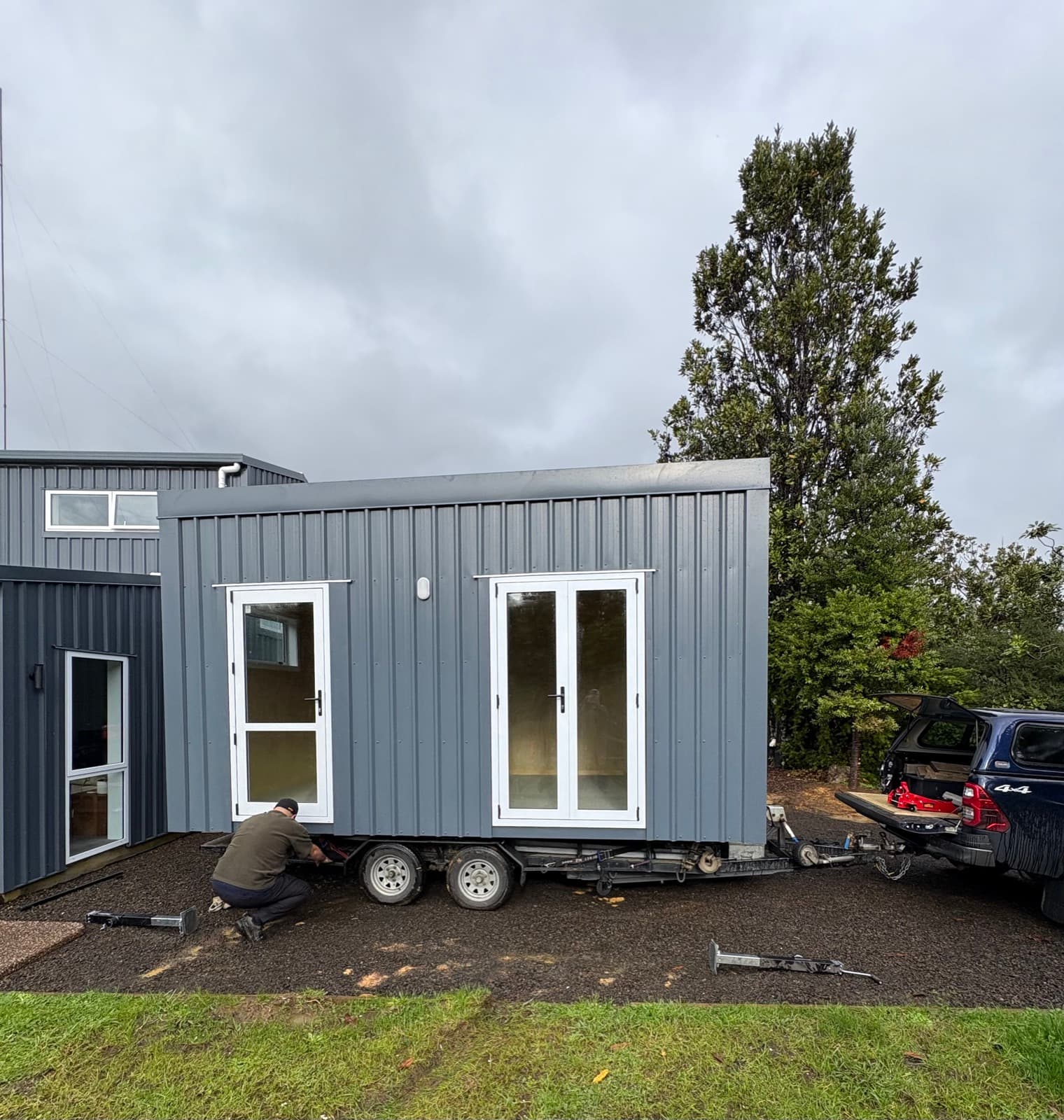
Tiny homes and small cabins are a natural fit for short-stay rentals in New Zealand. They offer guests a unique, self-contained experience without the cost of a full house. For owners, they can generate real income while adding an asset to your property. But there is more to running a successful Airbnb than just parking a tiny home on your section and listing it online.
This guide covers what you need to know before buying a tiny home for Airbnb use in NZ - the rules that apply, the practical setup, and what makes a tiny home work well as a short-stay rental.
The Rules That Apply to Short-Stay Rentals
Short-stay accommodation in NZ is regulated primarily at the council level, and rules vary significantly between local authorities. Some councils treat short-stay rentals under 60 or 90 nights per year as a home occupation, requiring no special consent. Others require resource consent for any short-stay use, or apply specific rules around parking, noise, and neighbour notification.
The best first step is to check your local council rules before you commit to buying a tiny home for Airbnb use. Rules may include restrictions on the number of nights per year the property can be rented, requirements for on-site parking, health and safety compliance, and rating changes (short-stay properties are sometimes rated as commercial rather than residential).
You should also check whether your property title has any covenants restricting commercial use, and if you are in a body corporate or subdivision, whether the rules of that development permit short-stay rental.
The GST and Tax Picture
Income from short-stay rentals is taxable, and if your annual short-stay income exceeds $60,000 you need to register for GST. Even below the GST threshold, you must declare the income and can claim legitimate expenses against it.
The specific tax rules for short-stay accommodation in NZ have some nuances - the mixed-use asset rules, the depreciation treatment, and the ability to claim expenses all depend on how the property is used. Talk to an accountant before you set up the operation. The upfront advice is much cheaper than fixing a tax issue after the fact.
What Makes a Tiny Home Work Well for Airbnb
Guests booking a tiny home Airbnb are usually looking for something specific - a unique experience, a self-contained space, a rural or scenic location, or an affordable stay for a small group. Meeting these expectations well is what earns the five-star reviews that keep bookings coming.
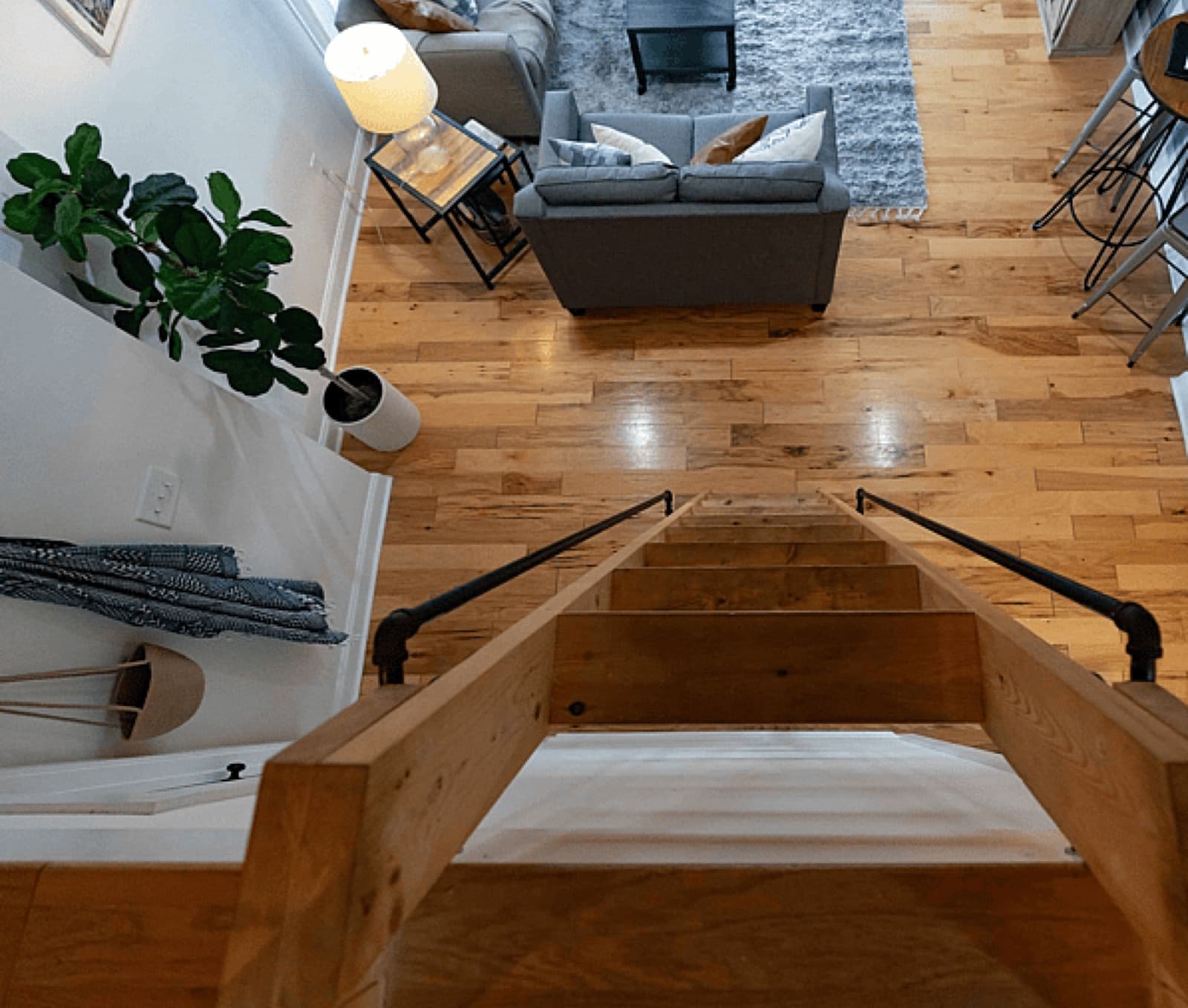
A tiny home works best as an Airbnb when it is well-designed, well-equipped, and thoughtfully finished. That means quality bedding, a proper kitchen with cooking equipment, a comfortable living area, and a bathroom that feels like a real bathroom rather than a boat toilet. The compact size is the appeal - the cramped experience is not.
Location matters as much as the home itself. A tiny home on a lifestyle block with views, native bush, or a beach nearby will out-perform a technically identical tiny home on a suburban section with a view of the neighbour's fence.
The Right Size for Short-Stay Use
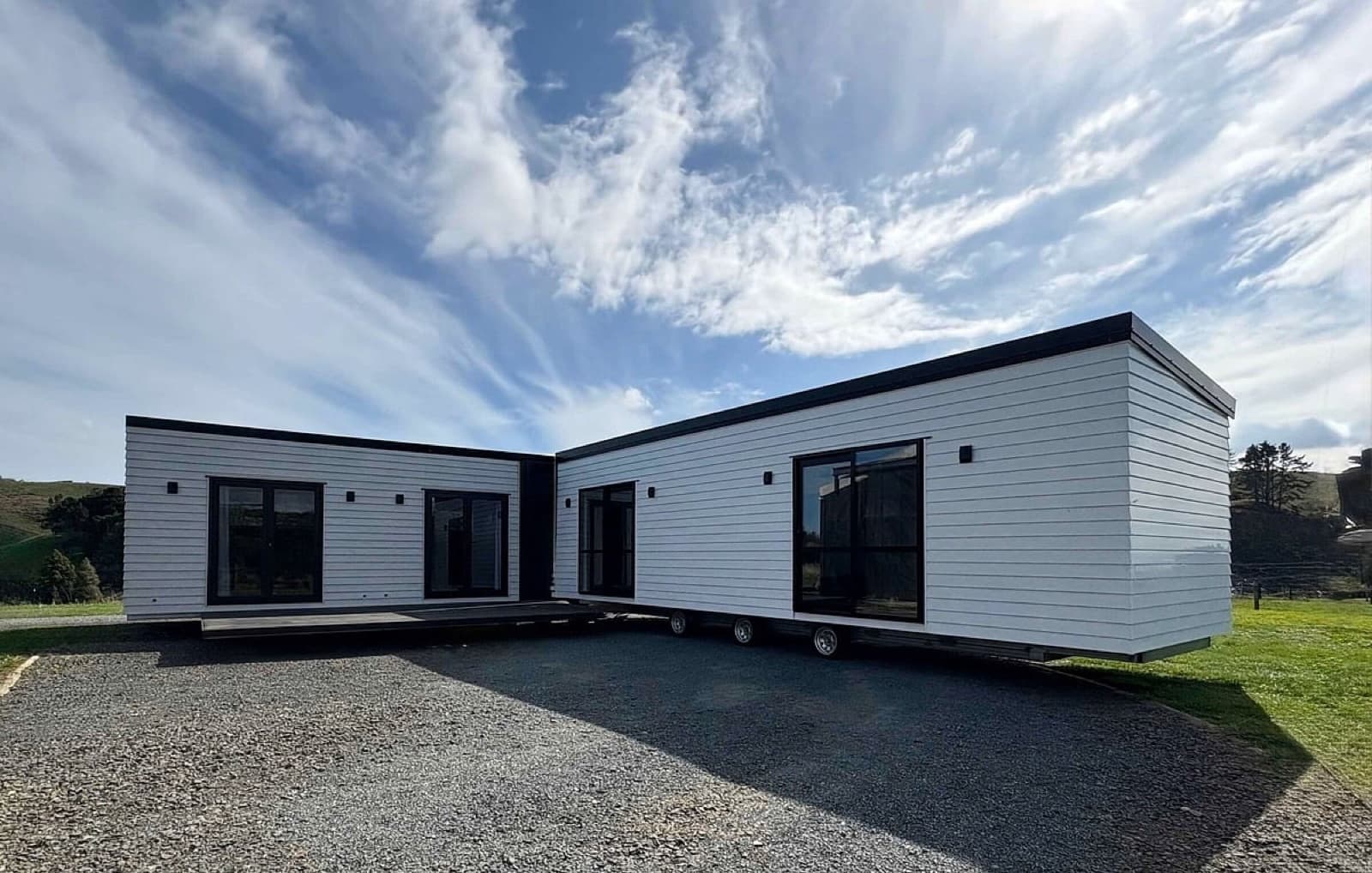
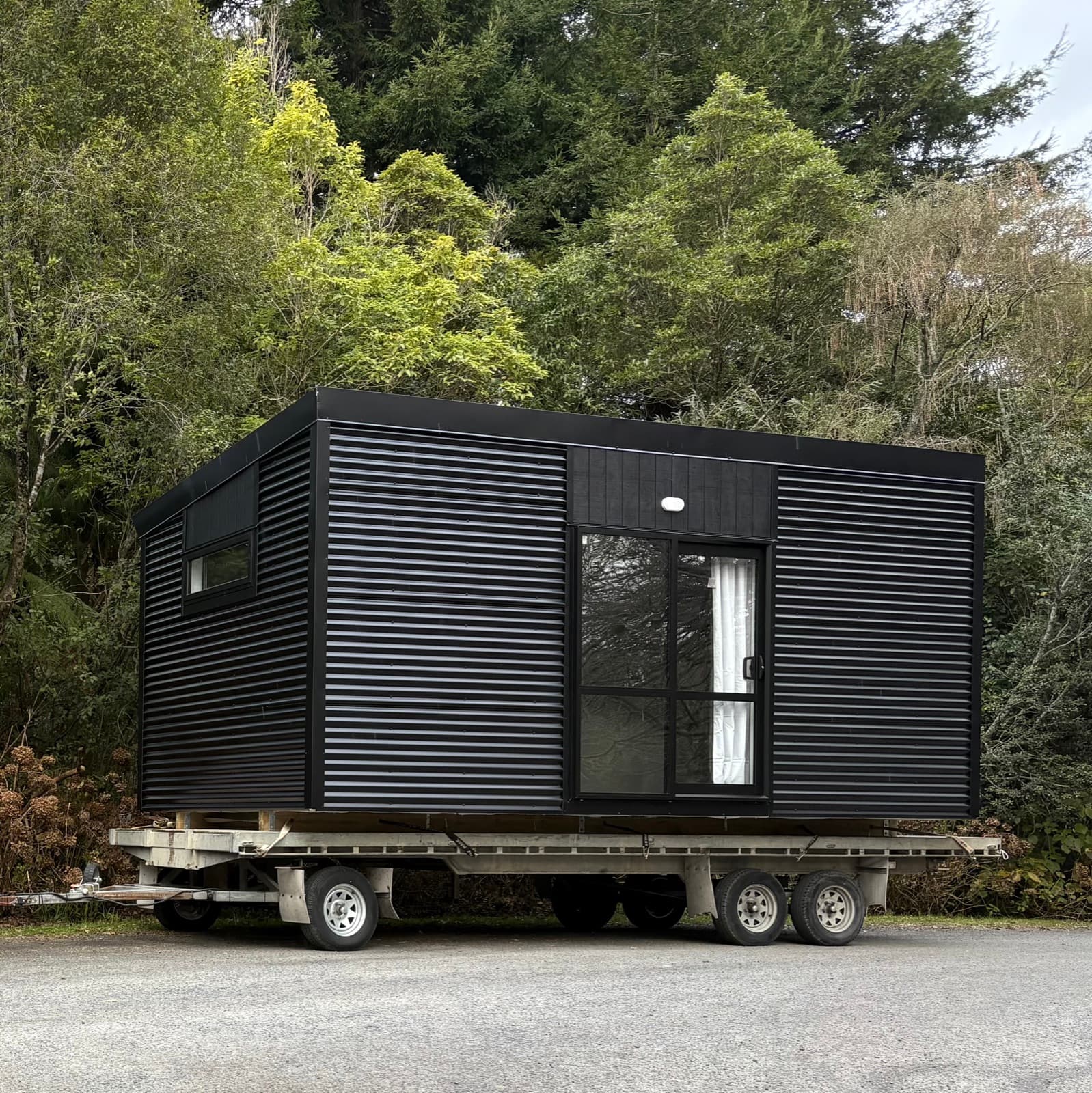
The most popular sizes for Airbnb use in NZ are studios and one-bedroom tiny homes in the 6m x 3m to 10m x 3m range. These sleep two guests comfortably, sometimes with a sofa bed for a third, and hit a price point that both buyers and guests find attractive.
Larger two-bedroom tiny homes work for families or two couples travelling together, but the higher purchase price means you need higher nightly rates or better occupancy to make the return work. For most short-stay operators, a well-appointed one-bedroom is the sweet spot.
Setup Costs Beyond the Tiny Home
The tiny home purchase is only part of the setup cost. You also need to budget for site prep, foundations, services connections, furniture, bedding, kitchenware, appliances, outdoor furniture, and initial supplies (toilet paper, cleaning products, welcome basket, etc). This can easily add $10,000 to $20,000 on top of the tiny home cost for a well-appointed short-stay setup.
You also need to think about ongoing costs - insurance (which is different for short-stay properties than residential), power and water, internet, laundry, cleaning between guests, and property management if you are not managing bookings yourself. All of these come out of your gross rental income.
Managing the Operation
Some tiny home Airbnbs are owner-managed, especially where the tiny home is on the owner's own property. This works well when the owner is on site to greet guests, handle turnover, and respond to issues.
Others use property managers, which typically costs 15 to 25 percent of gross rental income but takes the day-to-day operation off your hands. This makes sense if the tiny home is not on your primary property, or if you do not want to be on call for guest issues.
The specific choice depends on how much time you want to put into the operation and how much of the income you want to keep. Both models can work.
Realistic Return Expectations
Return on a tiny home Airbnb varies significantly by location, quality, and season. Popular tourist areas can see high nightly rates and strong occupancy in summer, dropping significantly in winter. Less popular locations may struggle to hit the occupancy needed to make the numbers work.
Before you commit, model the numbers conservatively. Look at comparable listings in your area to estimate a realistic nightly rate and occupancy. Subtract cleaning, management, and running costs. Compare the result to what a long-term rental of the same tiny home would generate. In many cases the long-term rental is more stable and less work, even if the peak nightly rate on Airbnb is much higher.
What Not to Do
Do not assume Airbnb rules that apply somewhere else apply where you are - check your specific council. Do not skip the tax and accounting setup - the mixed-use asset and GST rules are important. Do not skimp on the setup - a cheap-feeling tiny home earns bad reviews that follow the listing forever. Do not commit to Airbnb use without confirming your insurer will cover it - residential insurance often does not extend to short-stay rental.
The Bottom Line
A tiny home can be an excellent Airbnb investment in NZ, but only when the local rules allow it, the setup is thoughtful, and the numbers genuinely work for your specific location. Go into it with clear eyes and proper planning, and it can be a rewarding way to generate income from an asset that also holds long-term value.
If you are thinking about a tiny home for Airbnb use and want to talk through what would suit, get in touch with the Smart Housing Solutions team on 021 771 141 or sales@smarthousingsolutions.co.nz.