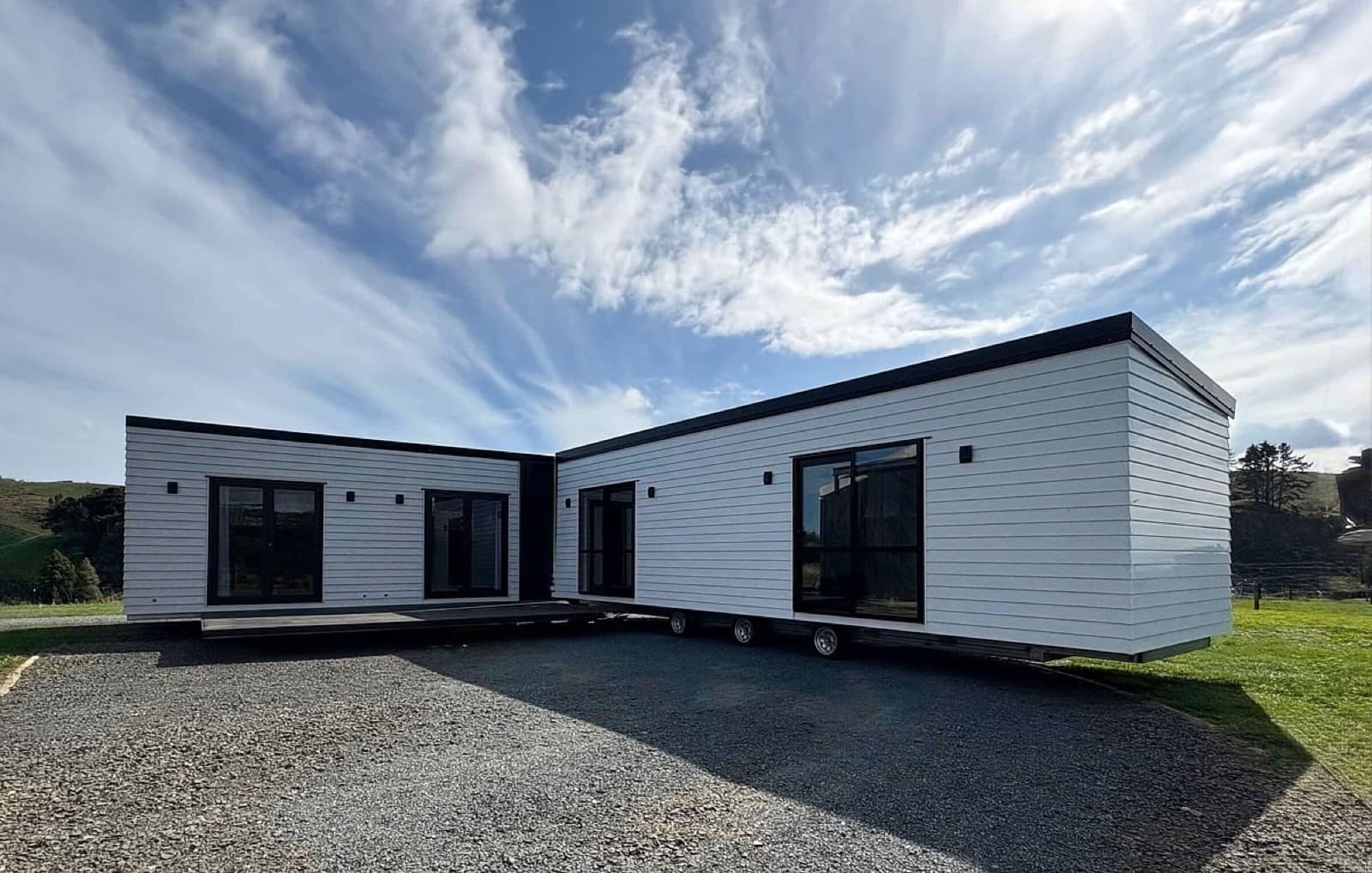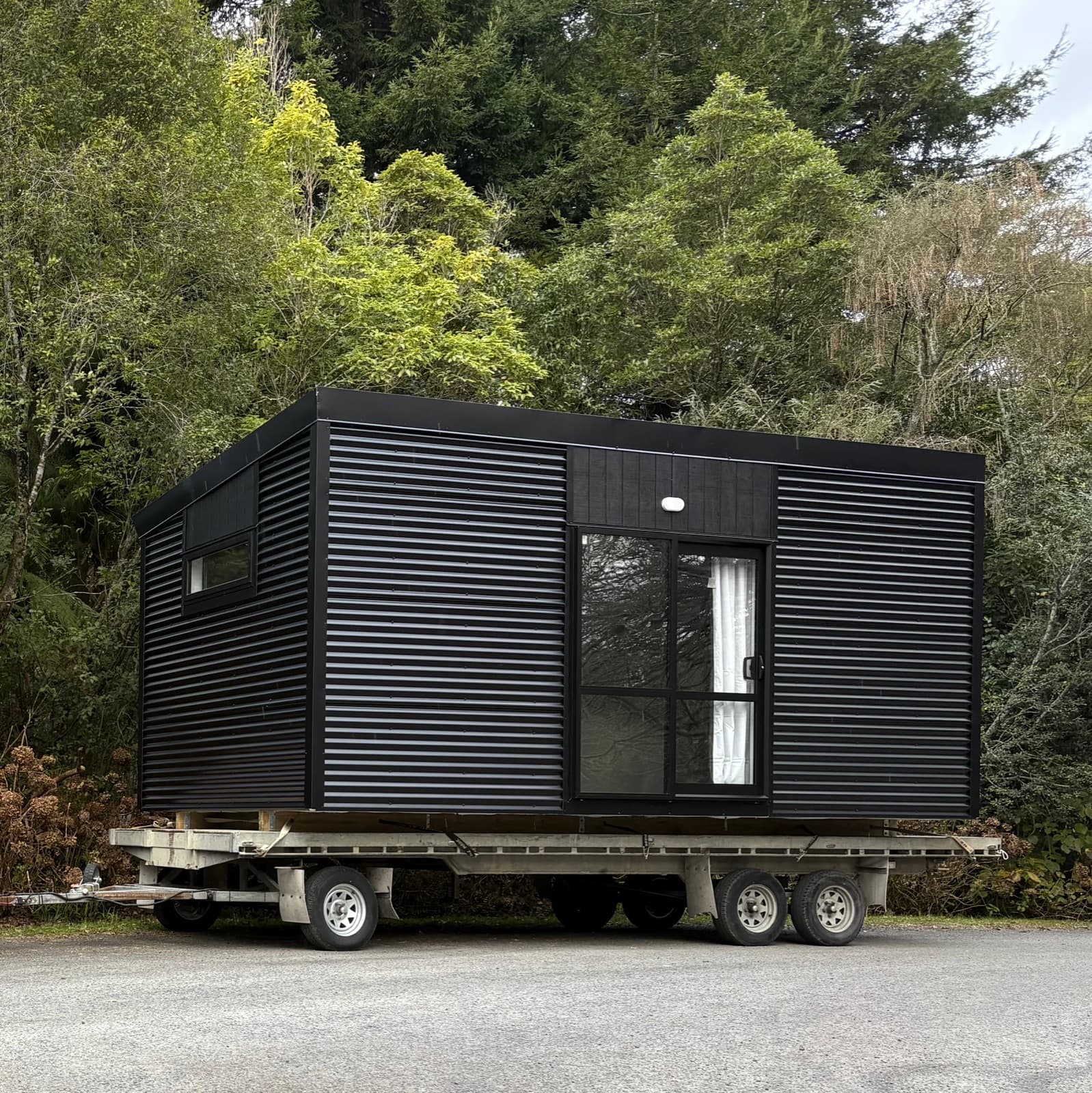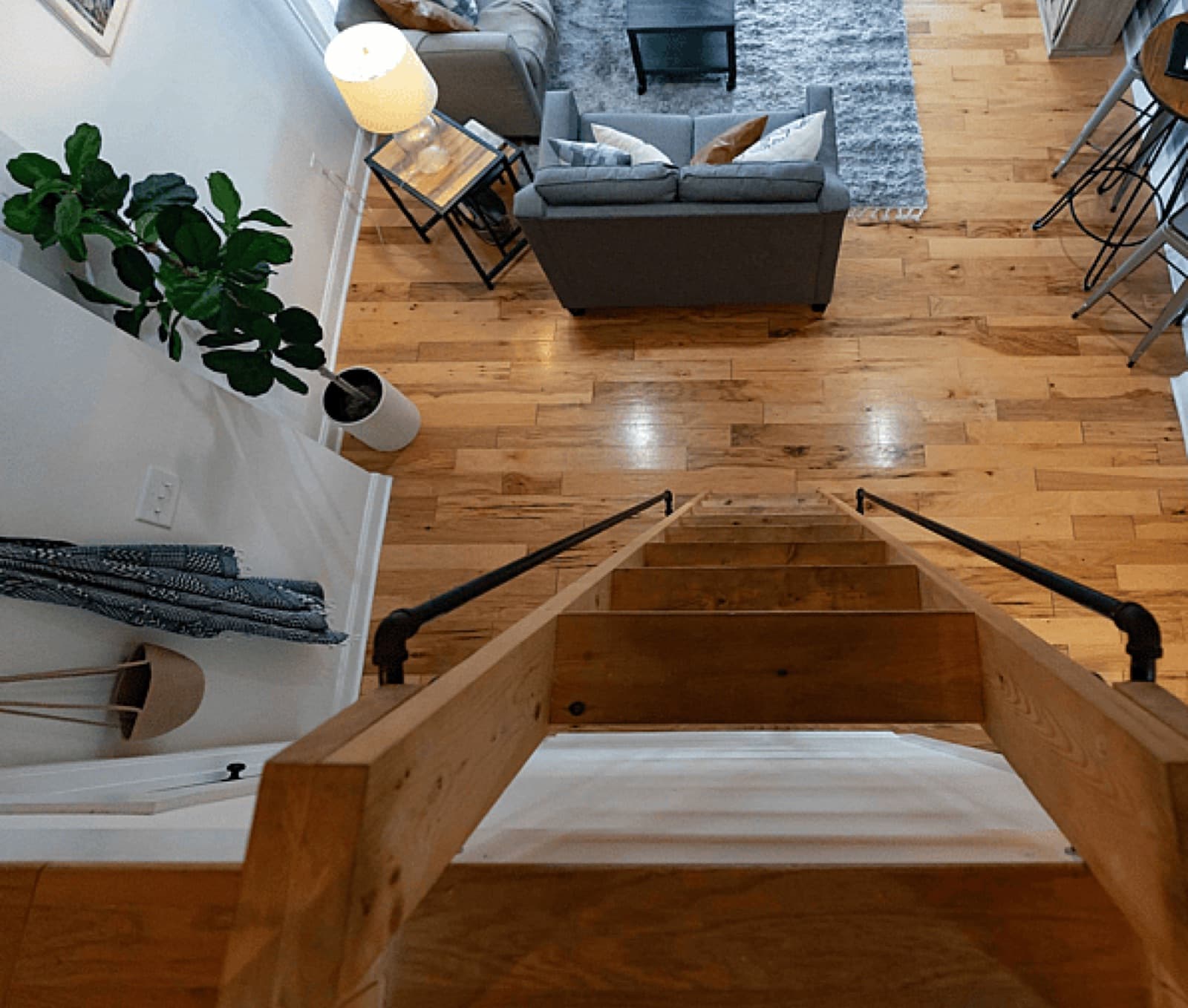
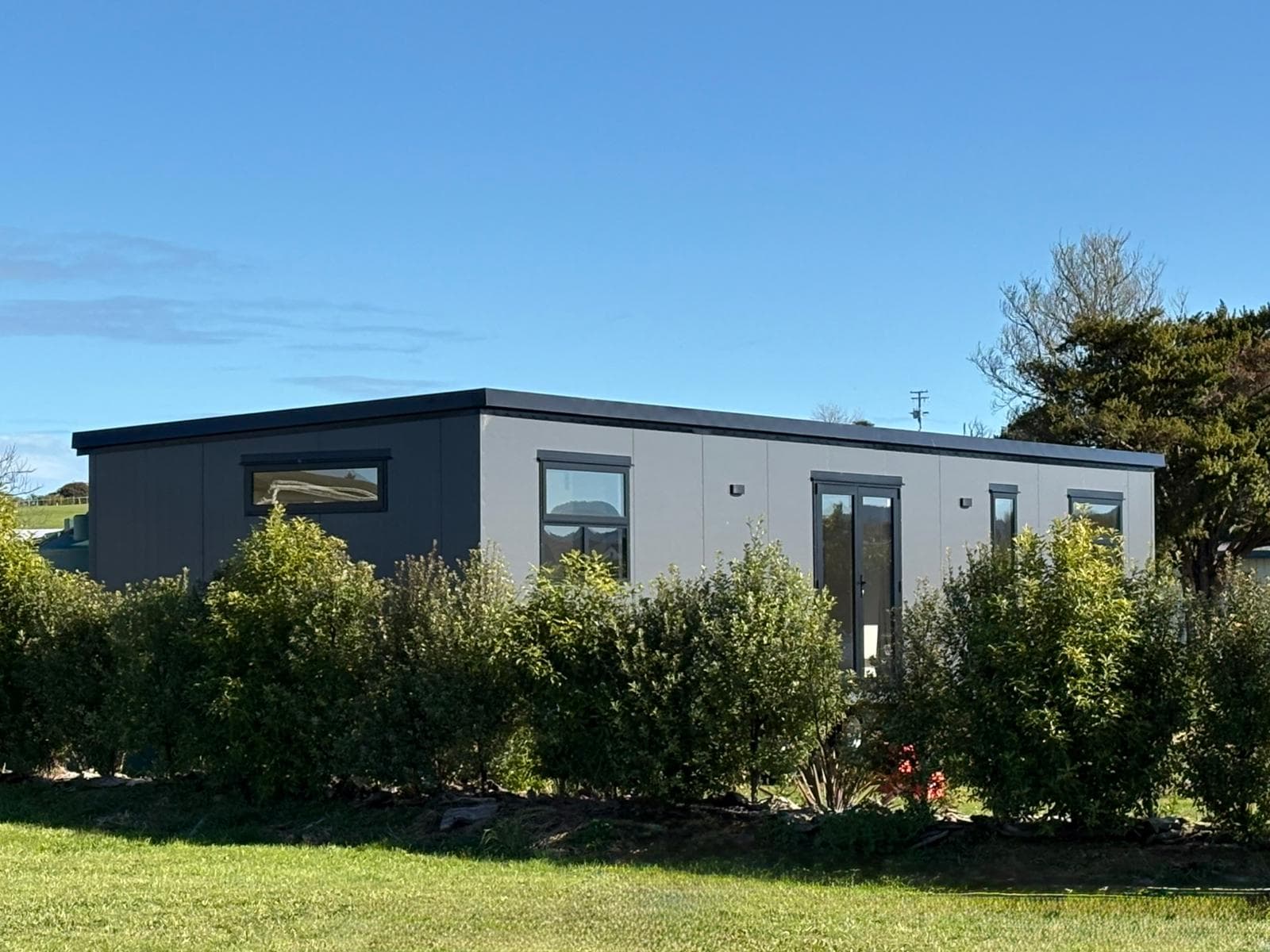
The tiny home market in New Zealand has grown fast over the past few years. More builders, more designs, and more price points mean more choice for buyers, but also more confusion. Not every tiny home on the market is built to the same standard, and the differences are not always obvious from a website or a price list.
This guide breaks down what actually makes a tiny home worth buying in NZ, what features to prioritise, and what you should expect to pay in 2026.
What Makes a Good Tiny Home
A tiny home is a self-contained dwelling, typically between 15 and 50 square metres, built on a steel chassis so it can be transported by truck. The best tiny homes in NZ are designed to be permanent or semi-permanent living spaces, not glorified sheds. That means full insulation, proper wiring and plumbing, a real kitchen, a real bathroom, and materials that will last decades, not just a few years.
When comparing tiny home builders, focus on five things: construction method, insulation spec, what is included in the base price, delivery terms, and whether the home is NZ Building Code compliant.
Construction: Steel vs Timber
Most tiny homes in New Zealand use either timber framing or steel-based construction. Timber is familiar and widely used, but it is susceptible to moisture damage, warping, and pest issues over time. Steel framing is stronger, more dimensionally stable, and resistant to rot, termites, and borer.
Insulated steel panel systems like Coloursteel EPS take this further by integrating the frame, insulation, and cladding into a single panel. This eliminates thermal bridging (cold spots where the frame conducts heat through the wall), which is one of the biggest performance issues in traditionally framed tiny homes.
Insulation: The Spec That Matters Most
A tiny home with poor insulation is uncomfortable in winter and expensive to heat. Look for wall panels with at least 100mm of insulation and roof panels with at least 150mm. Premium builds offer 225mm roof insulation, which makes a noticeable difference in colder regions and during winter months.
Double-glazed aluminium joinery is the other half of the insulation equation. Single glazing loses a huge amount of heat through the windows. If double glazing is not standard, make sure it is at least available as an upgrade.
What Should Be Included in the Price
This is where buyers get caught out. Some builders quote a low base price for what is essentially a shell, then charge extra for the kitchen, bathroom, electrical, plumbing, and fit-out. Others deliver a fully finished, ready-to-live-in home.
The best tiny home builders include all of the following in their base price: full kitchen with benchtop, sink, and cabinetry; bathroom with shower, toilet, and vanity; internal wall and ceiling lining; flooring throughout; full electrical wiring; full plumbing and hot water; and the steel chassis. Ask every builder you talk to for a complete list of inclusions so you can compare like-for-like.
Delivery and Logistics
One of the biggest advantages of a tiny home is that it arrives on your site largely complete. But delivery is not free from every builder, and the logistics vary depending on the size of the home and your location.
Delivery mostly comes down to how wide your home is. New Zealand's standard maximum road width is 2.55m, so nearly all tiny homes travel as an overdimension load. Up to about 3.1m wide, a home can be moved with overdimension signage alone — no pilot vehicles needed. Between 3.1m and 4.2m it needs one pilot vehicle, and between 4.2m and 5.0m two, though neither requires special permits or route planning. Only once a build tops 5.0m wide do you get into three pilots, permits and night-time travel. Whatever the size, delivery is almost never included in the base price, so ask for an estimate to your site up front and build it into your budget.
Our 2026 Tiny Home Pricing
Tiny home prices depend on size, layout, and spec level. Here is a guide to our own 2026 pricing for quality, NZ-made builds.
Studios (no separate bedroom) start from around $65,150 for a compact 6m x 3m economy build. A larger 6m x 4m studio comes in at about $82,400. Studios are ideal for singles, couples, guest accommodation, or Airbnb.
One-bedroom tiny homes range from about $81,900 for an 8m x 3m economy build up to $190,755 for a spacious 10m x 6m model. The one-bedroom layout is the most popular category because it gives you a proper separate bedroom while keeping the overall footprint manageable. Mid-range options like the 10m x 4m at $134,250 are a sweet spot for many buyers.
Two-bedroom tiny homes range from about $139,725 for a 14m x 3m economy build to $227,880 for a 12m x 6m model. These suit small families, couples who want a dedicated office or guest room, or anyone who needs a bit more space.
Passive tiny homes, with upgraded insulation and double-glazed joinery as standard, start from $210,500 for a 10m x 5m one-bedroom and go up to $247,900 for a 12m x 5m two-bedroom. These are the best-performing tiny homes on the NZ market for thermal comfort and energy efficiency.
Economy vs Passive: Which is Right for You
The economy range is the most affordable and suits most buyers. It uses 100mm wall panels and 150mm roof panels with double-glazed joinery as standard. It performs well in most New Zealand climates and represents excellent value.
The passive range steps up to 225mm roof insulation and includes double-glazed joinery as standard. The result is a noticeably warmer home with lower heating costs. If you are building in a cooler region (Waikato, Bay of Plenty fringe, or anywhere south), or if you simply want the best thermal performance available, passive is worth the premium.
The economy range is built with our Coloursteel EPS panels and the passive range with an insulated OSP sandwich panel system — both in the same NZ workshop and to the same quality standard.
Red Flags to Watch For
Be cautious of any builder who will not let you visit the workshop. A reputable builder has nothing to hide and will welcome you to see the construction process firsthand. Also be wary of prices that seem too good to be true. If a tiny home is significantly cheaper than comparable models from other builders, find out why. It might be a shell price, or it might use lower-quality materials, thinner insulation, or imported components.
Other warning signs include vague or missing compliance information, no fixed build timeline, delivery costs quoted separately and not disclosed upfront, and limited or no warranty.
Questions to Ask Every Builder
Before you commit, ask these questions and compare the answers across builders. What construction method and materials do you use? What are the wall and roof insulation thicknesses? Is the home fully finished and ready to live in, or is further work needed on site? Is delivery included, and what area does that cover? Are your builds NZ Building Code compliant? Do you handle the consent process? What is the build timeline from order to delivery? What warranty do you provide?
The best tiny home builders in NZ will give you straight, detailed answers. If you get vague responses, keep looking.
Finding the best tiny home in New Zealand is less about finding the cheapest price and more about finding the best build quality, the most transparent pricing, and a builder you trust to deliver on their promises.