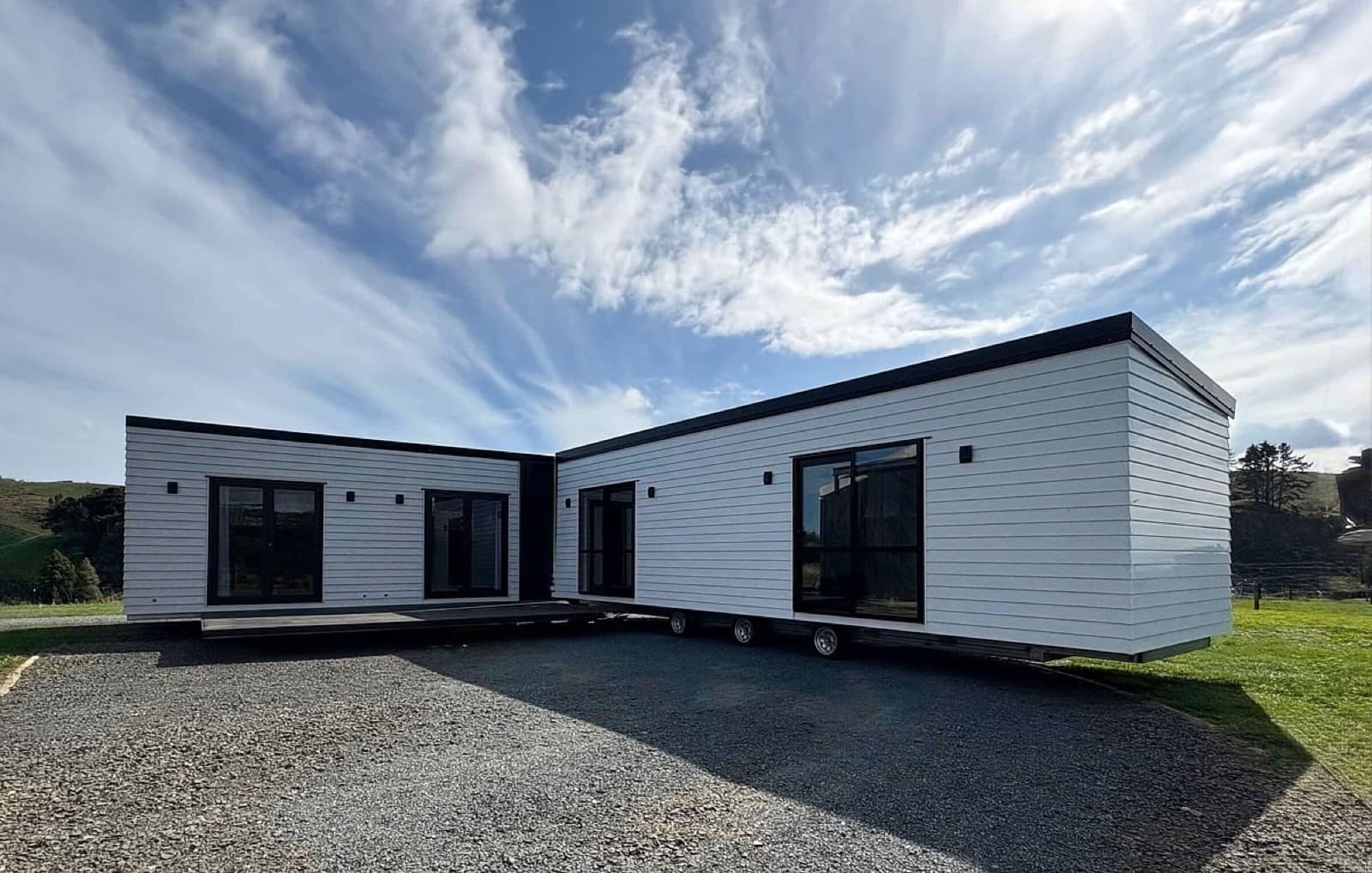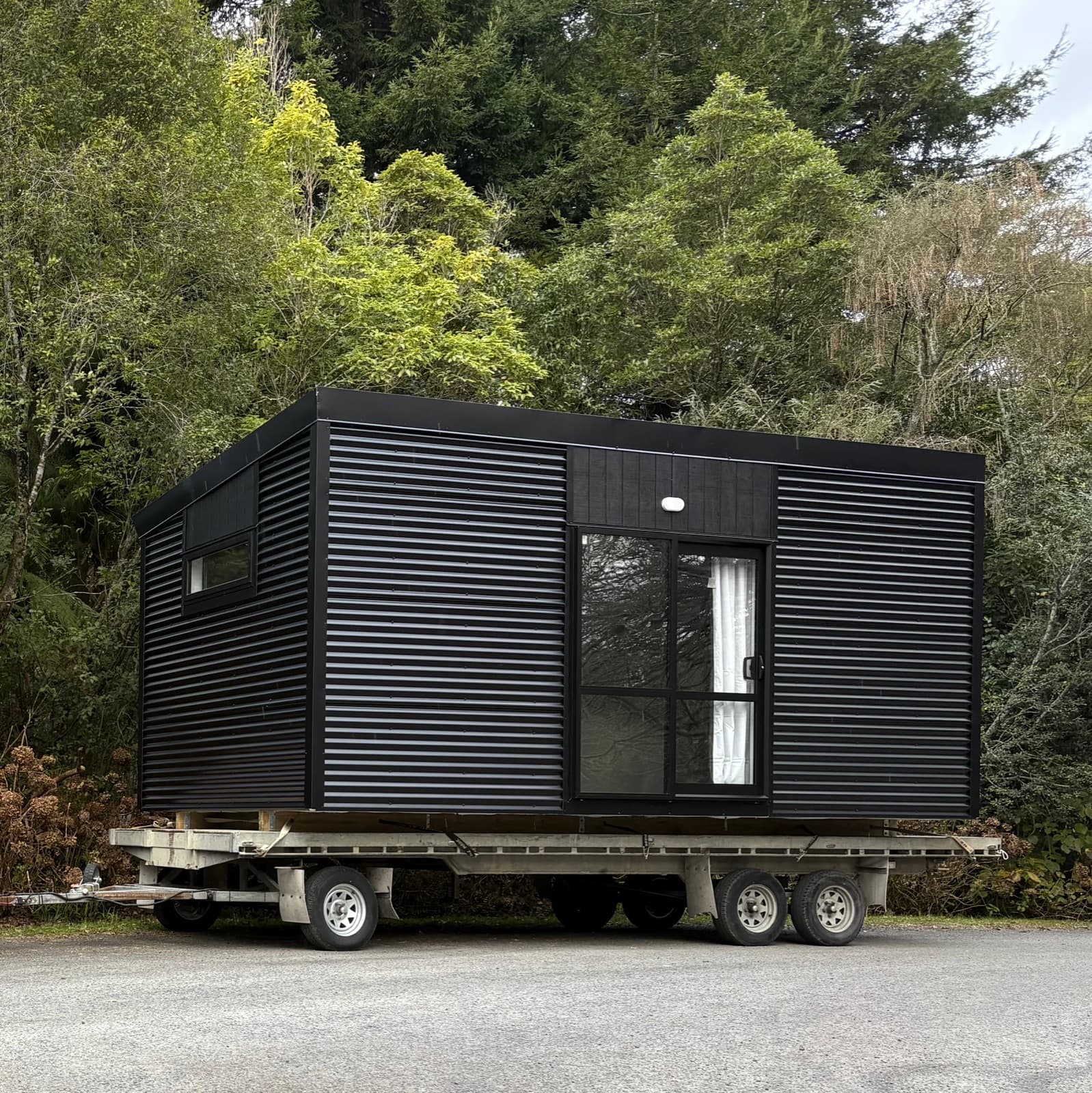
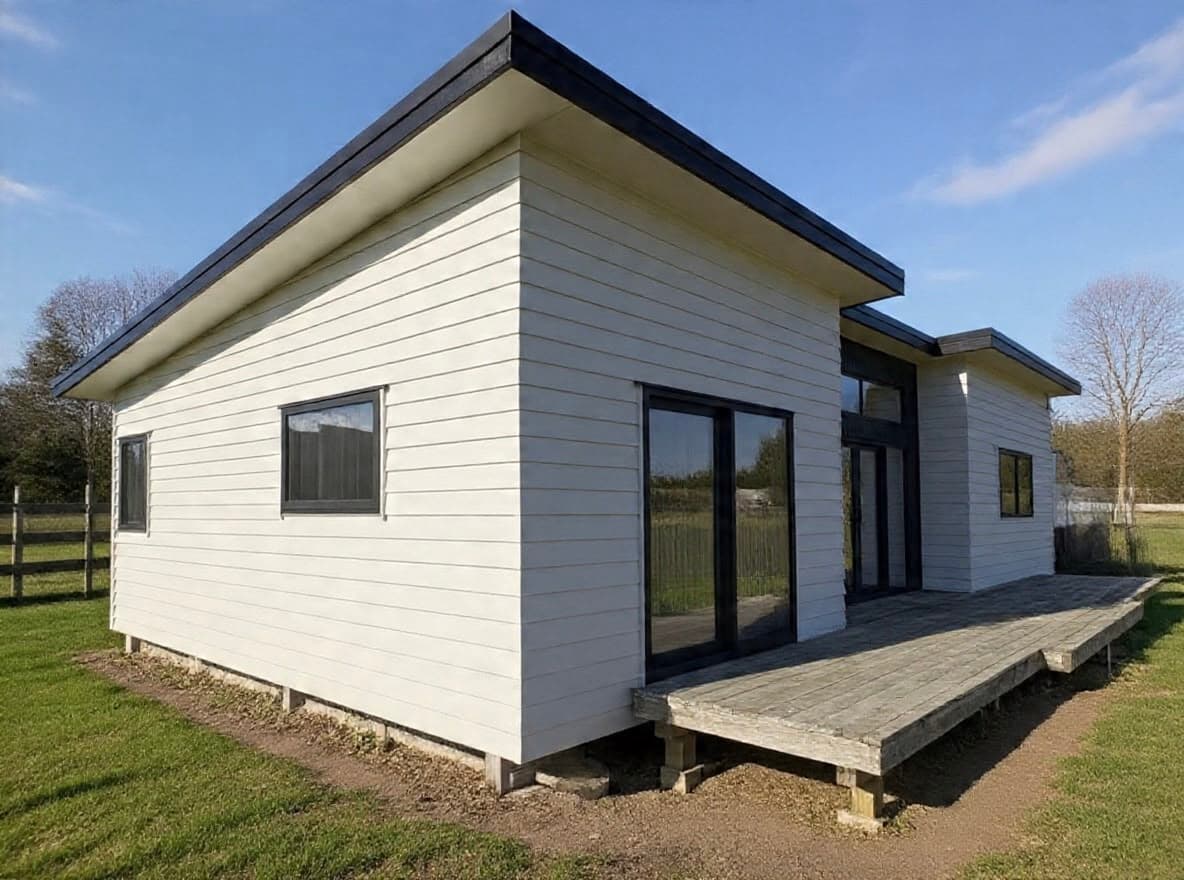
Transportable homes are one of the fastest-growing housing categories in New Zealand. They offer a genuine alternative to traditional builds for families who want two to four bedrooms without a two-year build timeline or a million-dollar mortgage. But not all transportable homes are built the same way, and the gap between the best and the rest can be significant.
This guide covers what to look for when comparing transportable homes in NZ, the features that separate a quality build from a budget one, and what you should expect to pay in 2026.
What Makes a Transportable Home Worth Buying
A transportable home is factory-built in a workshop, then delivered to your site as a complete or near-complete unit. The best ones arrive fully wired, fully plumbed, and ready to live in after connections are made. The worst ones need weeks of on-site finishing work that erodes the time and cost advantages you chose a transportable for in the first place.
When you are comparing builders, the features that matter most are construction method, insulation performance, included fit-out, delivery terms, and compliance certification. Everything else is secondary.
Construction Method and Materials
The framing material sets the ceiling on how long a transportable home will last. Timber framing is the traditional choice and works fine in sheltered settings, but it is vulnerable to moisture, rot, and insect damage over time. Steel is stronger, dimensionally stable, and immune to termites and borer. Insulated panel construction goes a step further again by combining the structural frame and insulation into a single system — it reduces thermal bridging and makes the home much faster to build. That is exactly why we use panels across both our ranges: Coloursteel EPS panels on our Economy builds, and an insulated OSP sandwich panel system on Passive.
Look for builds that use at least 100mm insulated wall panels. For the roof, 150mm is a good baseline, and 225mm is ideal if you want genuine passive-level thermal performance. Double-glazed aluminium joinery should be standard on any quality build — it comes standard on both our ranges.
Fit-Out and Inclusions
Some transportable home companies quote a base price for a shell and then charge separately for the kitchen, bathroom, flooring, and electrical. Others deliver a fully finished home. The difference in final cost can be tens of thousands of dollars, so always compare like-for-like.
The best transportable homes in NZ come with a full kitchen, full bathroom (or multiple bathrooms for 4-bedroom models), internal lining, flooring, electrical wiring, plumbing, and hot water. Optional extras like heat pumps, upgraded benchtops, and feature walls should be just that - options, not essentials you need to add to get a liveable home.
Compliance and Certification
Every transportable home used as a dwelling in New Zealand needs to meet the NZ Building Code. Some builders handle the consent process for you, and some leave it to the buyer. If you are placing a transportable home on a permanent foundation as your primary residence, you will almost certainly need building consent. Ask your builder upfront whether their homes are fully code-compliant and whether they assist with the consent process.
Delivery and Site Requirements
Delivery logistics matter more than most buyers realise. A 14m x 5m transportable home needs a truck and pilot vehicle, clear road access, and enough room on site to position the unit. Ask about delivery costs, whether crane hire is included, and what site preparation you need to do before delivery day.
Delivery is usually priced separately from the home, based on its size and how far it has to travel — it is not automatically included in the base price. Ask any builder for a delivery estimate to your address before you commit, so you can compare the true all-in cost.
Our 2026 Transportable Home Pricing
Pricing depends on size, spec, and layout. Here is a guide to our own 2026 pricing for quality, NZ-made transportable homes.
Economy three-bedroom models start from around $205,700 for about 64sqm and go up from there as the floor area increases, with around 70sqm coming in at about $222,200.
Passive three and four-bedroom models, which include 225mm roof insulation and double-glazed joinery as standard, are priced on application. These are the best option if you want a home that stays warm in winter without relying heavily on heating.
For comparison, a traditional site-built three-bedroom home in NZ typically costs $400,000 to $600,000 or more, and takes well over a year to build. A transportable home comes in well under that and is ready in a fraction of the time — a compelling alternative for many families.
Economy vs Passive: Which Range is Best
The economy range uses 100mm insulated wall panels and 150mm roof panels with double-glazed joinery as standard. It is the most affordable option and performs well in most NZ climates.
The passive range upgrades the roof to 225mm insulation and includes double-glazed joinery as standard. It delivers noticeably better thermal performance, which means lower heating bills and a more comfortable interior year-round. If your budget allows it, passive is the better long-term investment.
The economy range uses our Coloursteel EPS panel construction and the passive range uses an insulated OSP sandwich panel system. Both are built to the same quality standard in the same NZ workshop — the difference is in the construction and materials, insulation depth and glazing, not in build quality.
How to Choose the Right Size
Our transportable homes start from around 64sqm and go up to larger family-sized floor plans of over 100sqm. The right size depends on how many bedrooms you need, how much living space you want, and what your site can accommodate.
A compact three-bedroom plan of around 64sqm works well on narrower sites and for smaller households. At the other end, the largest family homes offer over 100sqm with genuine family-home proportions — separate living, dining and kitchen areas and up to four bedrooms. In between sits a spread of mid-sized floor plans to suit most sites and budgets.
What to Ask Before You Buy
Before committing to any transportable home builder, get clear answers to these questions. Is the quoted price for a fully finished home or a shell? What is included in the base specification? How long is the build timeline? Is delivery included in the price, and to where? Are the homes fully NZ Building Code compliant? Do you assist with the consent process? What warranty do you offer? Can I visit the workshop and see a build in progress?
The best transportable home builders in NZ will answer all of these openly. If a builder is vague about pricing, specs, or compliance, that is a red flag.
A quality transportable home is one of the smartest housing investments you can make in New Zealand right now. The key is knowing what to look for and comparing builders on substance, not just price.