The words tiny home and granny flat get used interchangeably in New Zealand, but they are not quite the same thing. The distinction matters for consent, for how you can use the building, and for what you should expect to pay. If you are looking to add a second dwelling to your property, understanding the difference helps you make the right choice.
This guide covers what each one is, how they compare on cost and use, and which situations each is best suited to.
What Is a Tiny Home
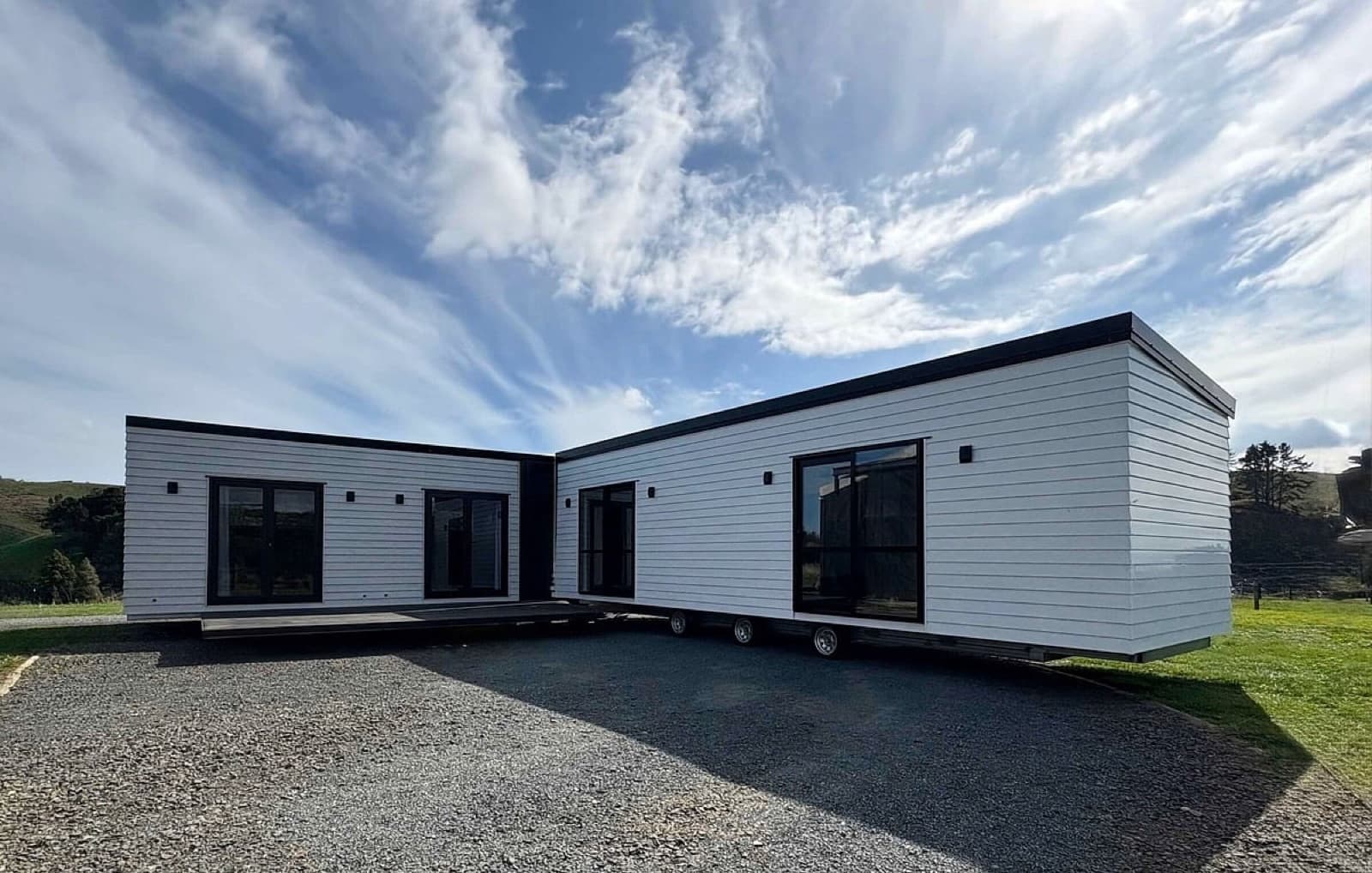
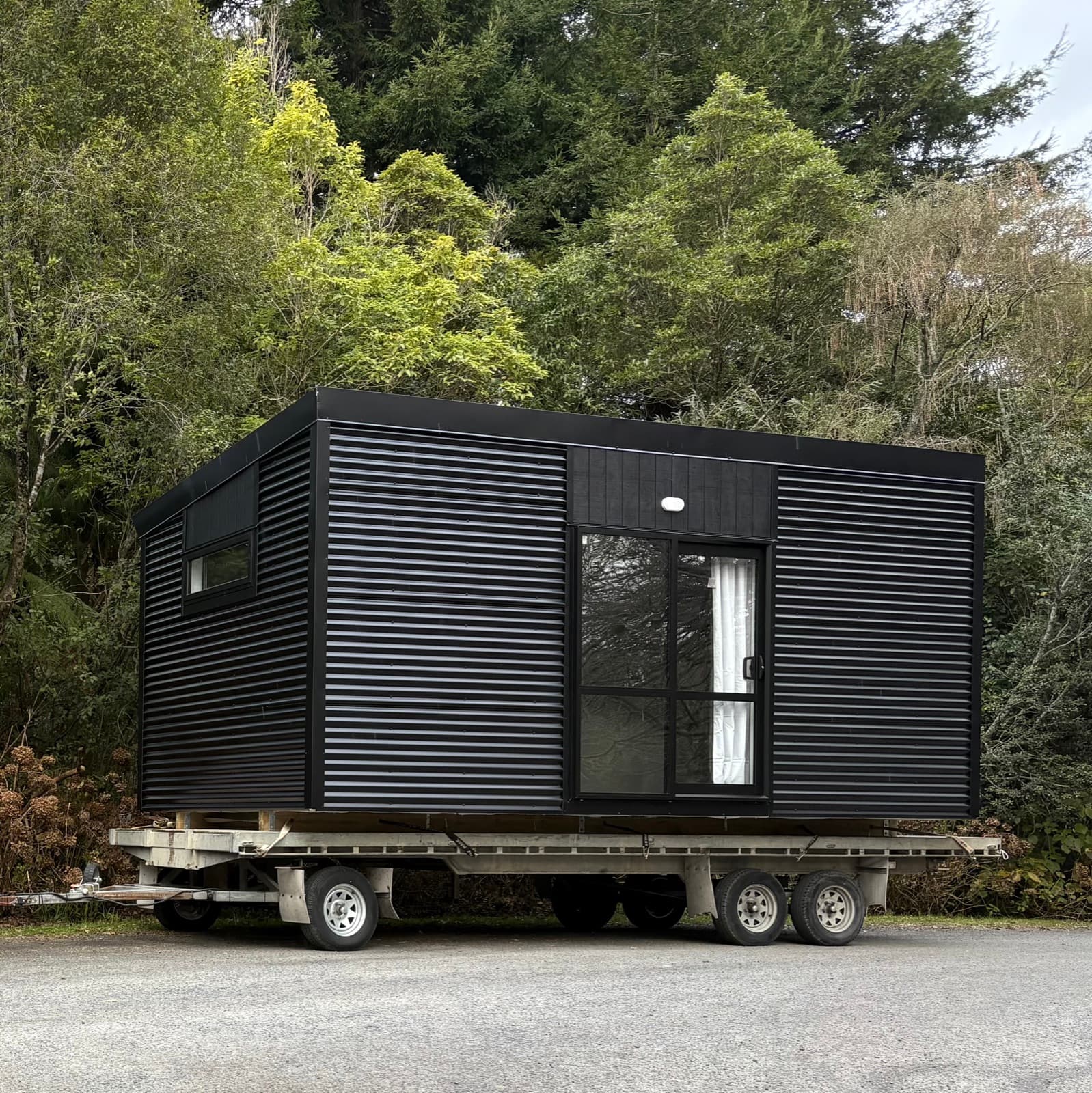
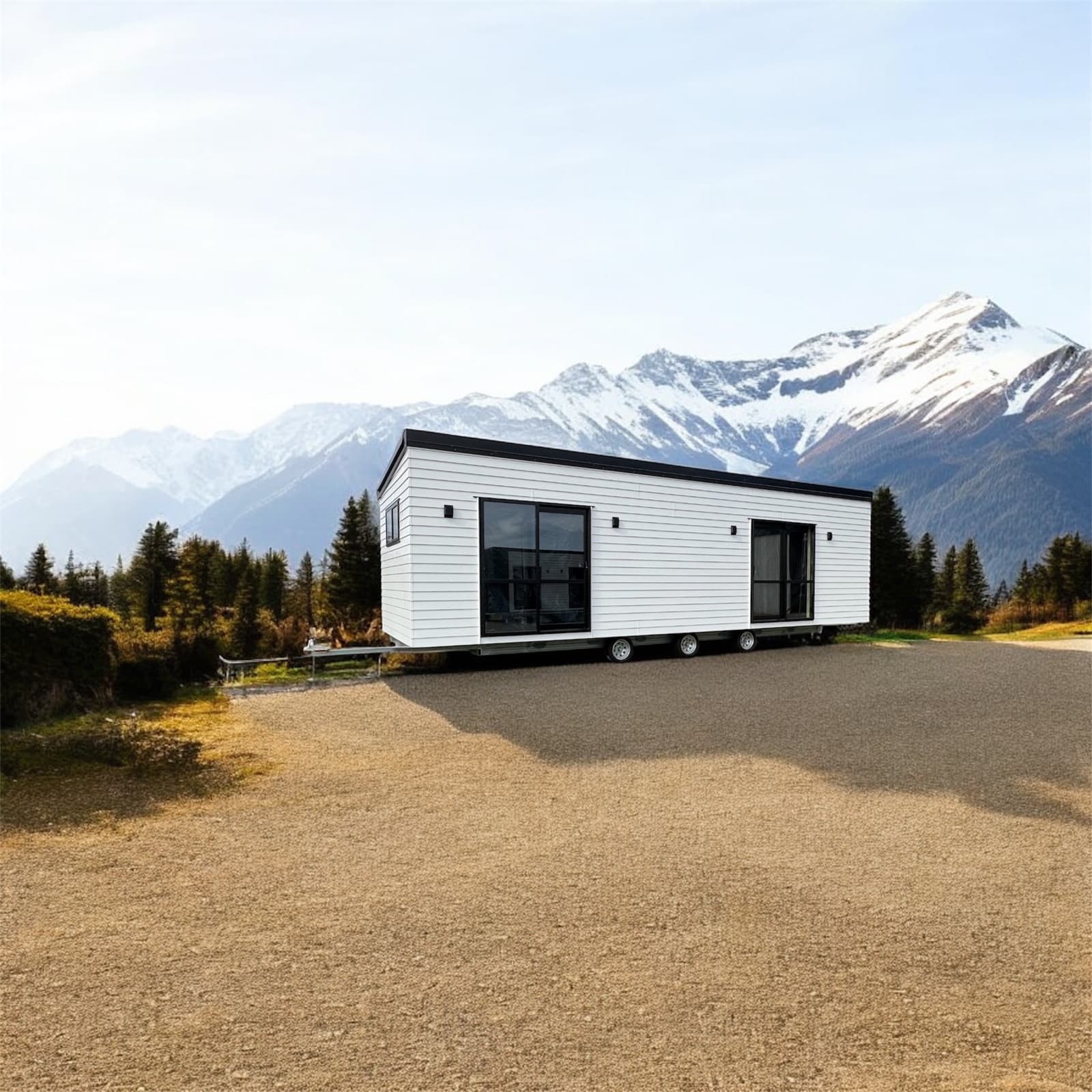
A tiny home in NZ is typically a self-contained dwelling built so it can be transported by truck. It has a full kitchen, a bathroom, sleeping space, and living space, all in a compact footprint. It is designed to be lived in as a standalone home, and it can be relocated if needed.
Tiny homes range in size from around 15 square metres for a compact studio up to around 60 square metres for a two-bedroom build. They are built in a workshop, delivered ready to place, and connected to services on site.
What Is a Granny Flat
A granny flat is traditionally a small self-contained dwelling attached to or located on the same property as a main house, used typically for elderly parents or extended family. In practice in New Zealand today, the term is often used interchangeably with secondary dwelling or minor dwelling.
A granny flat can be built as an attached extension, a converted garage or basement, or a standalone building on the same section. It can be similar in size to a tiny home, but it is not usually designed to be transportable - it is built to sit on the site permanently.
The Practical Overlap
In practice, a well-designed tiny home works perfectly well as a granny flat. It is self-contained, has all the essentials for independent living, and can be placed on the same property as the main house. Many families use exactly this arrangement - a tiny home on the back section for a parent, an adult child, or as a rental unit that generates income and helps with the mortgage.
The advantage of using a tiny home as a granny flat is that it is fixed-price, built off-site (so no long construction disruption to the main property), and can be moved or sold later if the family situation changes. A traditional site-built granny flat is permanent and cannot easily be relocated.
The advantage of a purpose-built granny flat extension is that it can be integrated aesthetically with the main house, and it can be exactly tailored to the specific site. But it comes at a higher cost and a longer timeline than a transportable tiny home.
Consent Rules
Both tiny homes and granny flats used as permanent dwellings almost always need building consent in New Zealand. The exemption for very small structures under 10 square metres does not cover anything with sleeping accommodation, a kitchen, or plumbing.
Some councils have specific rules about secondary dwellings on residential sites - minimum lot size, maximum height, setback from boundaries, and required parking. Rural sites often have more flexibility. The consent process for a tiny home is usually simpler because the structure itself is factory-built to code, but you still need site consent for foundations and services.
Recent policy changes in New Zealand are moving toward easier consent pathways for small secondary dwellings, but as of 2026 the safe assumption is that you need consent for anything used as a full residential dwelling. Always check with your local council early in the process.
The Cost Comparison
A quality tiny home from a NZ manufacturer starts from around $65,000 for a compact studio and typically lands in the $100,000 to $150,000 range for a one-bedroom build with a proper kitchen and bathroom. A larger two-bedroom tiny home sits between $140,000 and $230,000.
A site-built granny flat extension typically costs $250,000 to $400,000 for a similar-sized self-contained unit, depending on site conditions and specification. The extra cost reflects on-site construction, site works, and often integration with the existing house's services.
For a fixed-price outcome delivered in a few months, a tiny home is significantly cheaper. For a permanent addition integrated with the main house, a site-built granny flat may be the right choice despite the higher cost.
Which Situations Suit Each
A tiny home used as a granny flat is a great fit for multi-generational living where the extended family member wants their own independent space, or for adult children who need a base while saving for their own home. It works well for rental income - a second dwelling on your section can generate meaningful weekly rent while the mortgage on the main house does not change.
A tiny home also suits situations where flexibility matters. If your family circumstances change - the parent moves in with you, the adult child buys their own place, you decide to sell up - a transportable tiny home can be sold on, relocated, or repurposed as a rental in a way that a permanent granny flat extension cannot.
A site-built granny flat suits situations where the second dwelling is a permanent, long-term feature of the property, where visual integration with the main house is important, or where the site does not lend itself to a transportable delivery.
Practical Considerations
Both options need power, water, and wastewater. In most urban and suburban settings this means connecting to the existing services on the main house, which is straightforward but adds cost. In rural settings you may need a separate septic system or tank water supply.
Privacy matters more than most people realise. A second dwelling on your section works best when it has its own outdoor area, its own entry, and enough separation from the main house that both households have their own space. A tiny home placed thoughtfully on the section - not just parked wherever there is room - makes a big difference to how well the arrangement works long-term.
The Bottom Line
If you want a self-contained second dwelling on your NZ property, a tiny home is almost always the faster, cheaper, and more flexible option. If you want a permanent extension of your existing home for a family member, a site-built granny flat may be the right choice.
The good news is that a well-built tiny home from a quality NZ manufacturer is a real dwelling, not a compromise. If you want to talk through what would suit your property, get in touch with the team at Smart Housing Solutions on 021 771 141 or sales@smarthousingsolutions.co.nz.