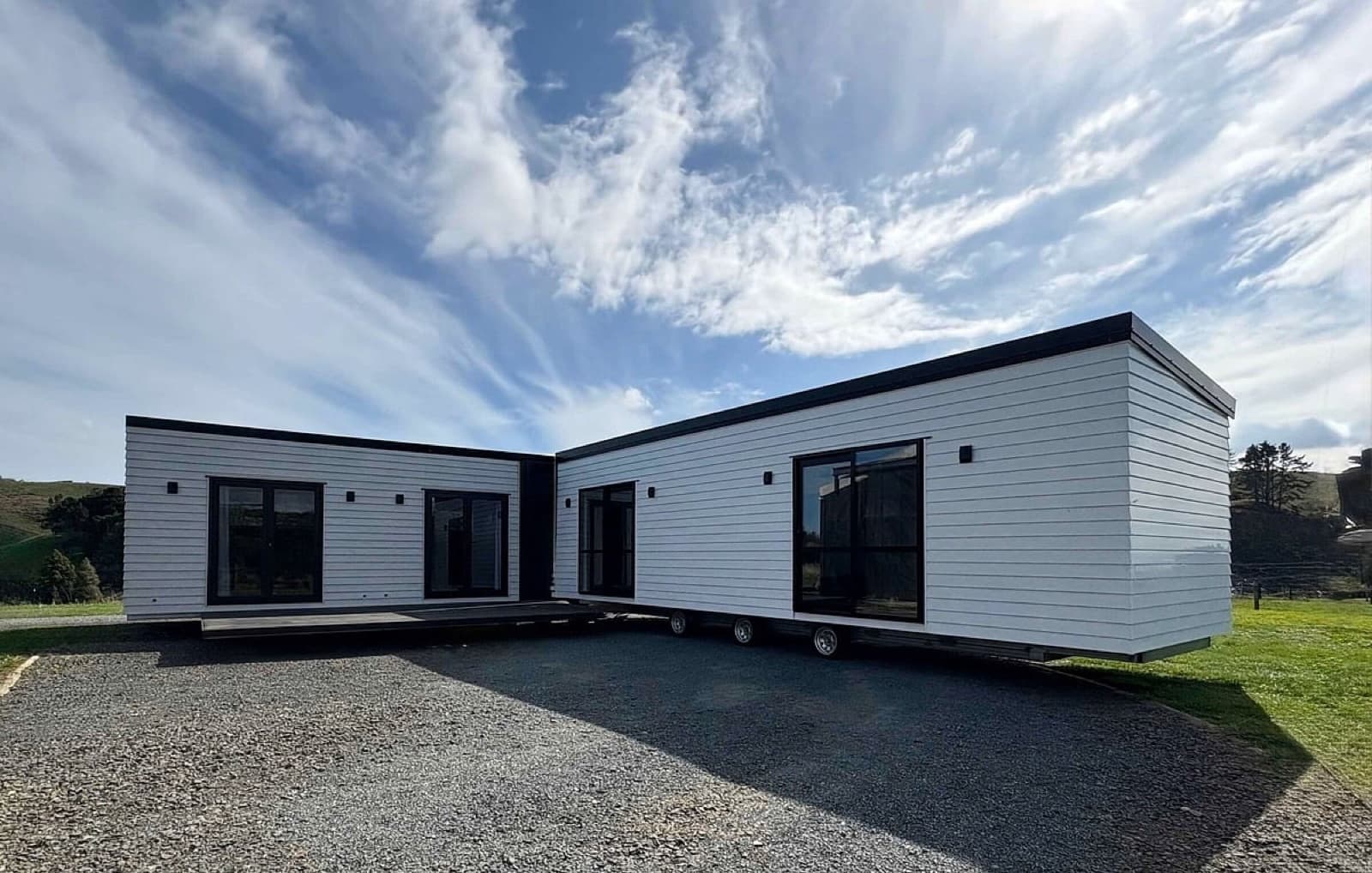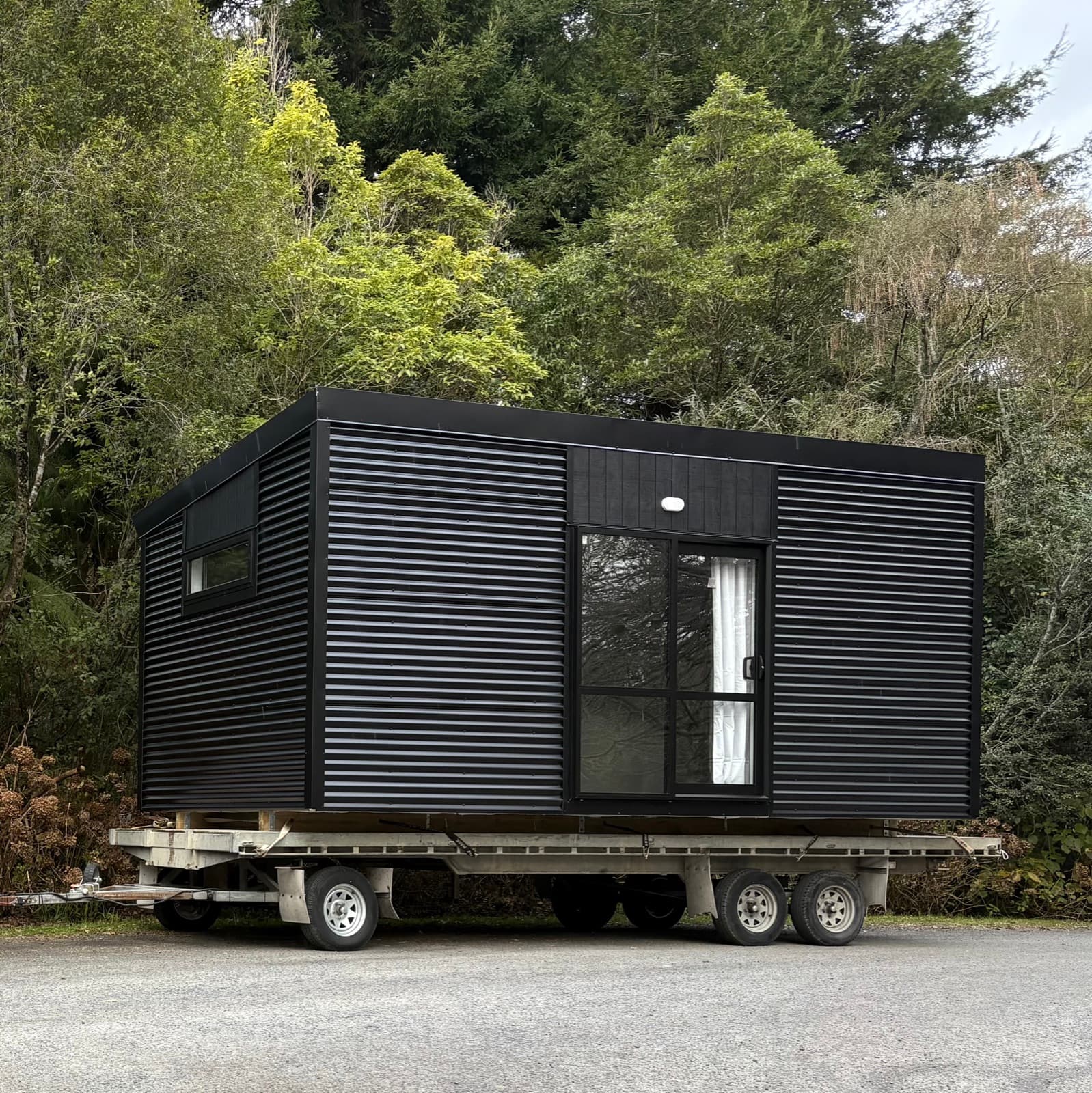
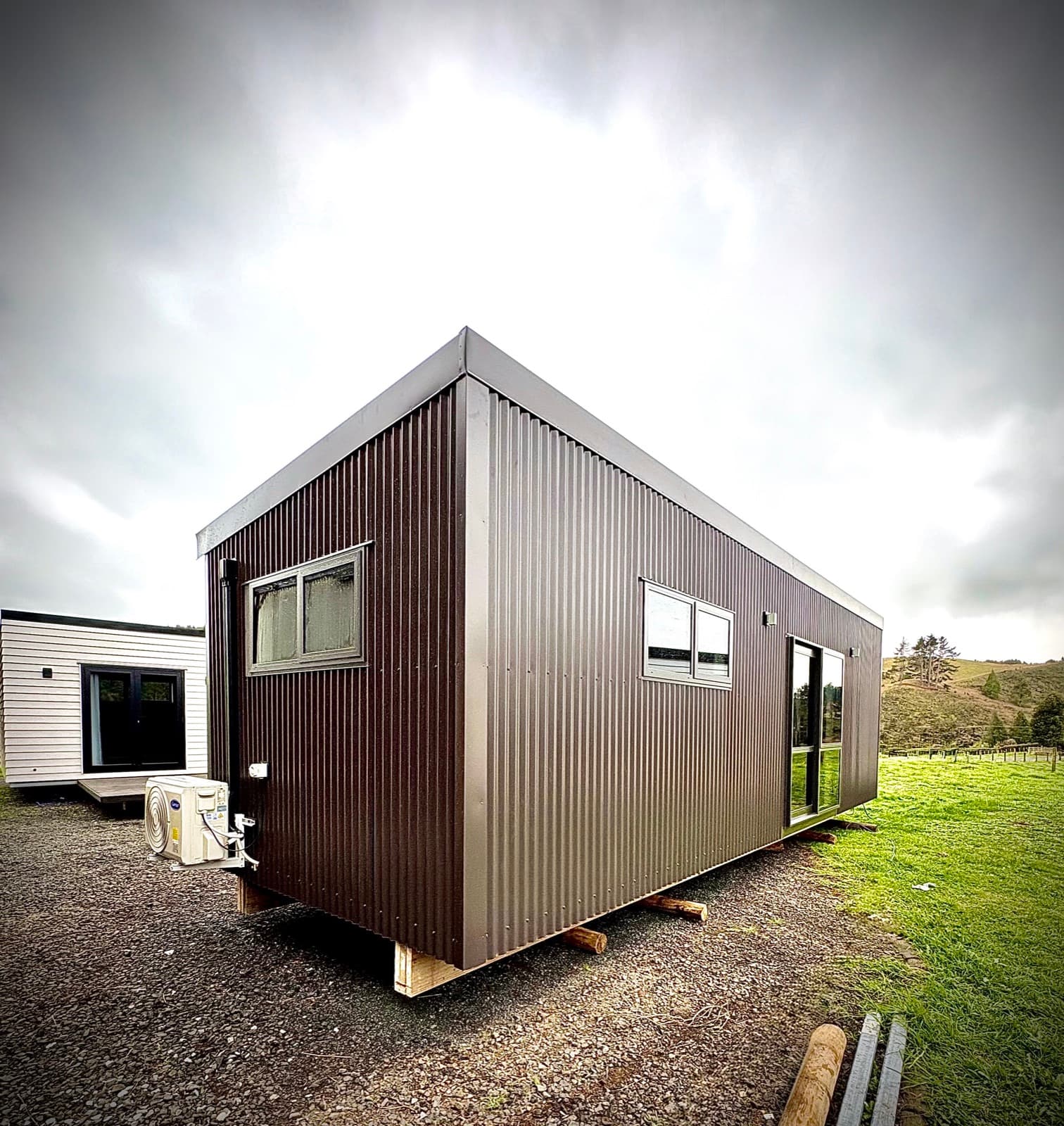
Lifestyle blocks are one of the strongest markets for tiny homes and cabins in New Zealand. The reasons are simple - rural sections have the space to accommodate a second dwelling, they often have more flexible council rules than urban residential sites, and the practical uses for extra buildings on a lifestyle block are endless.
This guide covers the best tiny home and cabin options for NZ lifestyle blocks in 2026, the most common uses, and what to think about when choosing the right build for your site.
Why Tiny Homes Suit Lifestyle Blocks
A lifestyle block gives you room to place a second dwelling without disrupting the main house. You have the space to position it thoughtfully - away from the main house for privacy, near an existing access track, or oriented to make the most of the view. You are not squeezing a building into a small urban section.
Rural sites also tend to have more forgiving delivery access than tight urban driveways. A hiab truck delivering a tiny home has room to manoeuvre, and site prep is typically simpler on flat, open rural land than on a sloping or landscaped town section.
Council rules for secondary dwellings on rural land are often more flexible than in residential zones - though this varies significantly by council and by the specific rural zoning. Always check with your local council before you commit.
The Most Common Uses
The most common use for a tiny home on a lifestyle block is as a second dwelling for extended family. A parent, an adult child, or a family member who needs their own space - a tiny home gives them independent living with the support of family nearby. This is one of the strongest use cases for a well-built tiny home on a rural section.
The second most common use is farm worker housing. Lifestyle blocks that run stock, work orchards, or manage forestry often need someone on site full time. A tiny home is a fast, affordable, and fully compliant way to provide worker accommodation without the cost of a full house build.
Third is teen retreats or adult-child accommodation. Teenagers who want their own space, or adult children saving for a house of their own, are ideal occupants for a tiny home on a lifestyle block. It gives them independence while keeping them connected to family.
Other common uses include Airbnb or short-stay rentals (where council rules allow), home offices for parents working from home, hobby workshops, and guest accommodation for family visits.
What Size Works Best
For lifestyle-block use, the sweet spot is typically the 8m x 3m to 12m x 4m range. This gives you enough space for a proper kitchen, bathroom, and living area, plus a real bedroom, without moving into transportable-home price territory.
For a family member who needs a permanent independent dwelling, look at the 10m x 4m or 10m x 5m one-bedroom range, or larger two-bedroom builds up to 12m x 5m. These are proper homes with good spec and full amenities.
For farm worker accommodation, the 8m x 3m one-bedroom range is often ideal - enough space to be comfortable, affordable to build, and the right proportions for a self-contained working accommodation.
For teenagers or a home office, a compact cabin at 6m x 3m or 7m x 4m works well and comes in at a lower price point than a full tiny home.
Site Considerations for Lifestyle Blocks
Access is the first thing to check. The delivery truck needs to be able to reach the intended site. Farm gates, cattle grids, tight bends in a long driveway, low branches, and steep grades can all cause problems. A good builder will do a site check or ask for photos before committing to a delivery.
Services are the second consideration. Rural sites may need a bore or tank water supply, a septic system, and often a separate power connection if the intended site is far from the main house. Factor these costs into your budget - they can add $10,000 to $30,000 to the total project depending on distance and complexity.
Foundations and site prep matter too. Rural land can range from firm gravel to soft peat, and the foundation spec depends on your ground conditions. A good builder will provide the foundation specification, but you may need a geotech assessment if the site is on unusual ground.
Consent for Rural Second Dwellings
Rural zones in NZ typically allow more flexibility for secondary dwellings than residential zones, but you still almost always need building consent for a permanent tiny home used as a dwelling. Some councils have specific rules about the maximum number of dwellings on a rural site, minimum separation from the main house, and required infrastructure like water storage.
The consent process for a factory-built tiny home is usually simpler than for a site-built home - the structure comes with the paperwork prepared - but you still need site consent for foundations, services, and use. Talk to your council early. It saves time and money.
Popular Models for Lifestyle Blocks
The 8m x 3m one-bedroom tiny home is the workhorse of the lifestyle-block category. It fits farm cottages, teen retreats, guest accommodation, and small rental units, and its compact footprint keeps delivery straightforward across most of the North Island.
The 10m x 4m one-bedroom tiny home is the step up from there - a proper independent dwelling with more storage, more living space, and enough room for a small dining area. This is a popular choice for extended family arrangements.
For families running the lifestyle block as a serious operation, a larger 12m x 5m two-bedroom tiny home or a 14m x 4m three-bedroom tiny home can serve as long-term worker housing, manager accommodation, or a proper farm cottage.
The Big Picture
A tiny home or cabin on a lifestyle block is one of the highest-value additions you can make to a rural property. It generates rental income, houses family, supports the operation of the block, and adds a flexible asset that can be sold or relocated if your situation changes.
For a well-built NZ-made tiny home on your lifestyle block, get in touch with the team at Smart Housing Solutions on 021 771 141 or sales@smarthousingsolutions.co.nz.