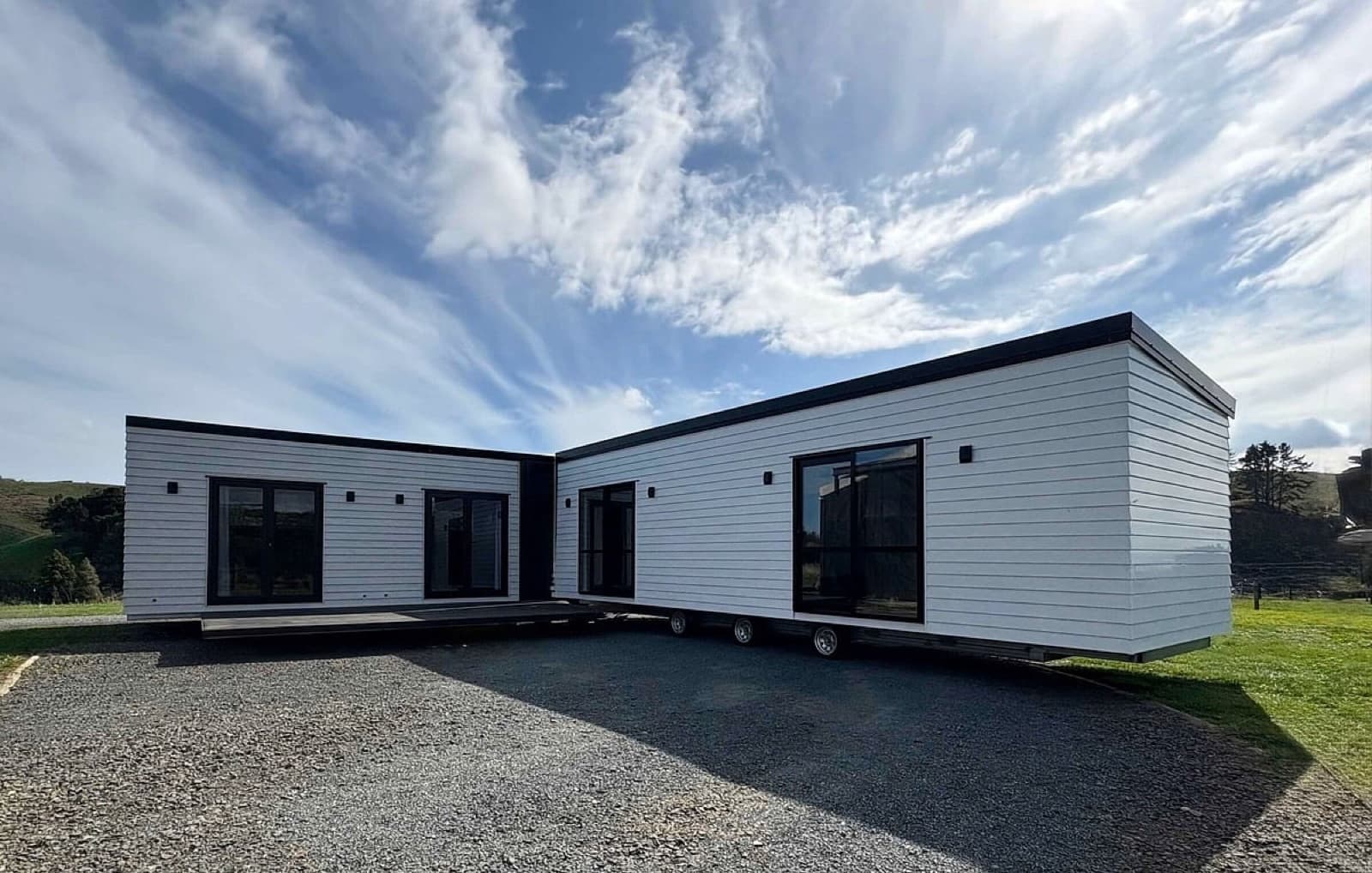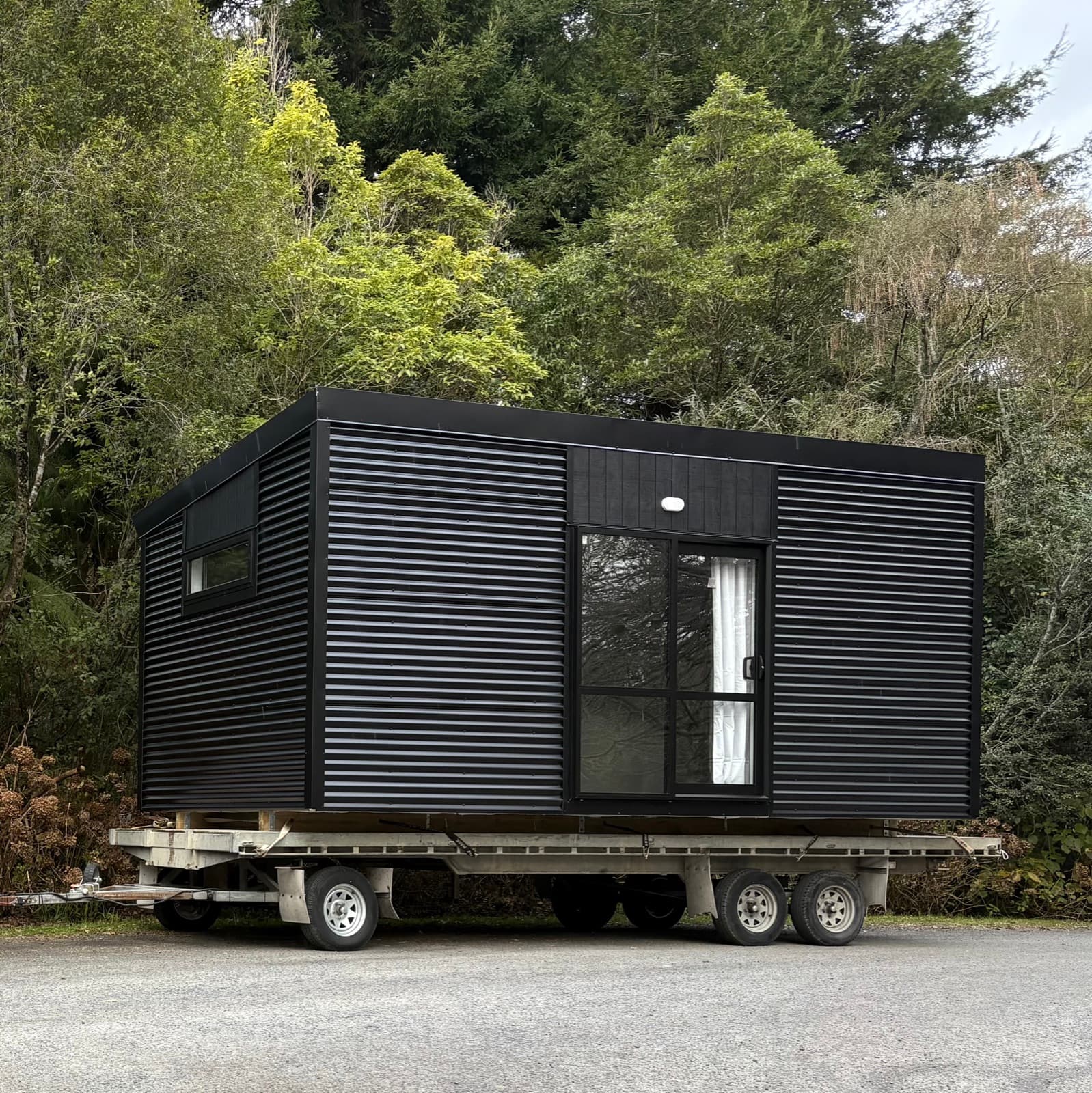
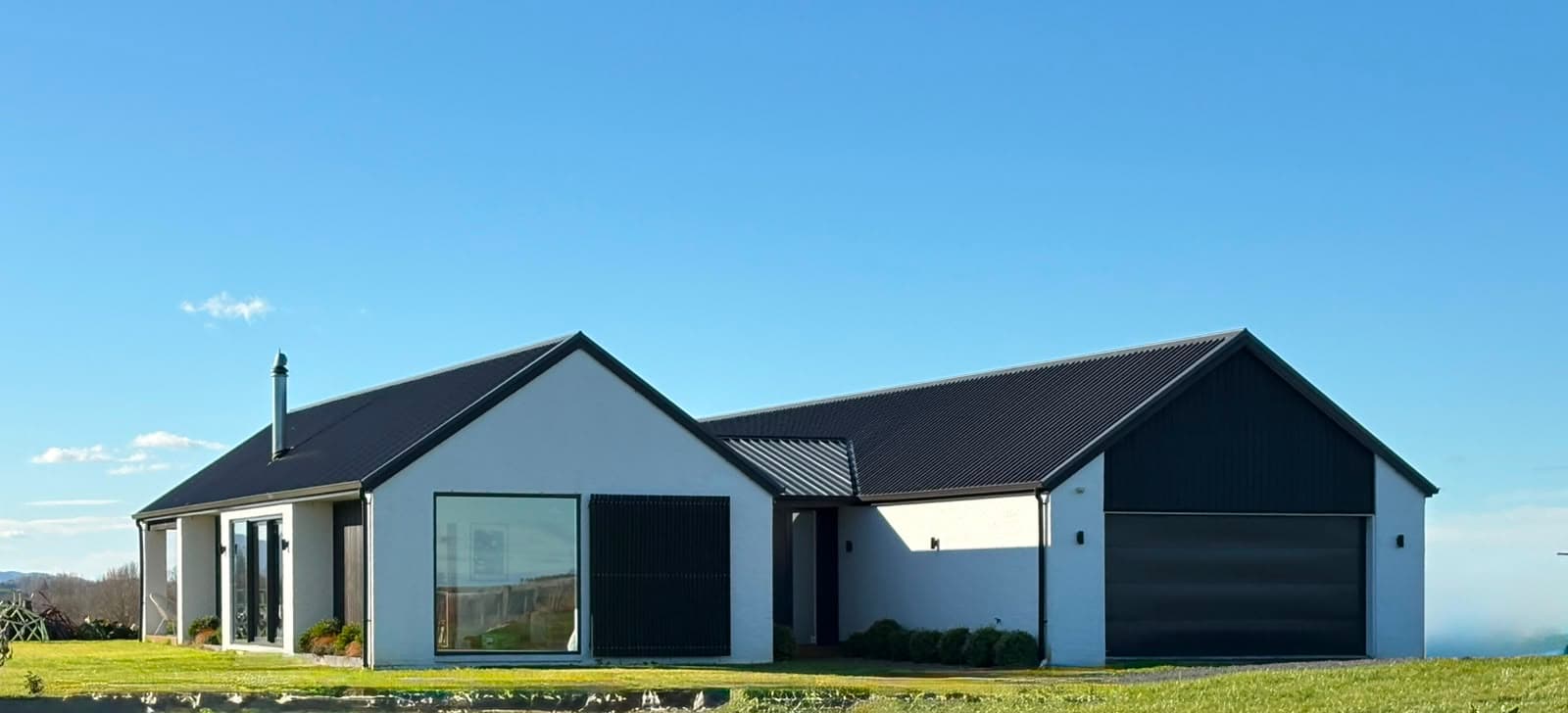
There are a lot of tiny homes and transportable homes on the New Zealand market, and not all of them are made in New Zealand. Some are built overseas and shipped in. Some are assembled here from imported panels. Some are genuinely designed, built, and finished in a NZ workshop. The differences matter more than they might first appear.
This guide covers what NZ-made actually means for a tiny home, why it matters to the buyer, and what to look for when comparing builders.
The NZ-Made Difference
A genuinely NZ-made tiny home is designed in New Zealand for New Zealand conditions, built by New Zealand workers in a New Zealand workshop, using materials that meet or exceed the NZ Building Code. Every stage of the process happens locally, and the people who built your home are the people you can talk to if something needs attention.
This is different from an imported tiny home that is finished or assembled in NZ. Imported builds are often cheaper up front, but they may not be designed for NZ weather, they often lack local warranty support, and the materials may not meet NZ standards - which becomes a serious problem when your council asks for compliance documentation.
Where Smart Housing Solutions Homes Are Built
Every Smart Housing Solutions home is built in the workshop in Raglan, on the Waikato coast. This is not a marketing detail - it is where the workshop actually is, where the team works every day, and where every home starts before it is delivered to sites across the North Island and beyond.
Raglan is a small town, and the workshop is a real workshop. If you want to see a build in progress, you can arrange a visit. If you have a question about how something is put together, the person who put it together is there. This is a level of transparency that imported or offshore builds simply cannot offer.
What Being Built in NZ Means for Quality
NZ Building Code compliance is not just a checkbox. It is a specific set of requirements around insulation performance, weathertightness, structural strength, and safety systems that have been developed for New Zealand's specific climate and geography. A home built in NZ, by NZ builders, using NZ-sourced materials that carry NZ warranties, is built with these standards in mind from the first panel.
The Coloursteel EPS panel system used across the Smart Housing Solutions range is a good example. Coloursteel is a NZ Steel product, manufactured in New Zealand, backed by NZ manufacturer warranties, and available in colour options tuned to NZ tastes and conditions. Combining it with EPS insulation into an integrated panel system creates a wall that is stronger, more weathertight, and more thermally efficient than a traditional timber-framed equivalent.
The NZ Supply Chain
A NZ-made tiny home supports a NZ supply chain. The steel is milled or fabricated locally. The joinery is often manufactured in NZ. The appliances are supplied through NZ distributors who honour warranties on NZ soil. The workers who build the home are NZ workers, paid NZ wages, contributing to the local economy.
This matters practically, not just morally. If something goes wrong with your home five years from now - a joinery seal fails, a kitchen appliance needs a warranty repair - having a local supply chain means the fix happens faster and more reliably than if the original manufacturer is on the other side of the world.
The Waikato Advantage
Being based in Raglan puts the workshop in the middle of the largest tiny home market in New Zealand. The Waikato and Auckland regions between them account for the majority of tiny home demand in NZ, and delivering from Raglan means shorter distances, faster delivery, and lower transport costs for the majority of buyers.
For buyers further afield - Bay of Plenty, Hawke's Bay, Wellington, Northland - Raglan is still well positioned as a delivery origin, with straightforward road access north and south for the transport company delivering your home.
What to Look For When Comparing NZ Builders
Not every NZ builder is created equal. When you are comparing tiny home companies, look for the following.
A physical workshop you can visit. If a builder does not have a fixed location or is vague about where the homes are built, that is a red flag. A genuine builder will happily show you the workshop and let you see builds in progress.
NZ Building Code documentation. Ask for the compliance paperwork - insulation performance, weathertightness details, structural certification. A genuine NZ builder will have this ready.
NZ-supplied materials with local warranties. Ask what brand of steel, what brand of joinery, what brand of appliances. A genuine NZ builder will use recognisable NZ brands and be able to point you to warranty documentation.
NZ workers building the homes. A workshop with a stable local team produces more consistent quality than a workshop that turns over staff frequently or relies on subcontractors.
A track record of NZ deliveries. Ask how many homes the builder has delivered, where those homes are, and whether you can talk to any past customers about their experience.
The Long-Term Value
A NZ-made tiny home from a builder with a proper workshop, a local supply chain, and a track record of quality is a long-term investment. It holds its value better than a cheap imported build, it is easier to maintain over the years, and if something ever needs attention, you have real people you can talk to.
This is what NZ-made actually means. It is not a slogan on a marketing page. It is a specific set of practical advantages that show up over the years you own the home.
If you want to see how Smart Housing Solutions builds tiny homes and transportable homes in Raglan, get in touch on 021 771 141 or sales@smarthousingsolutions.co.nz. Workshop visits are always welcome.